Introduction
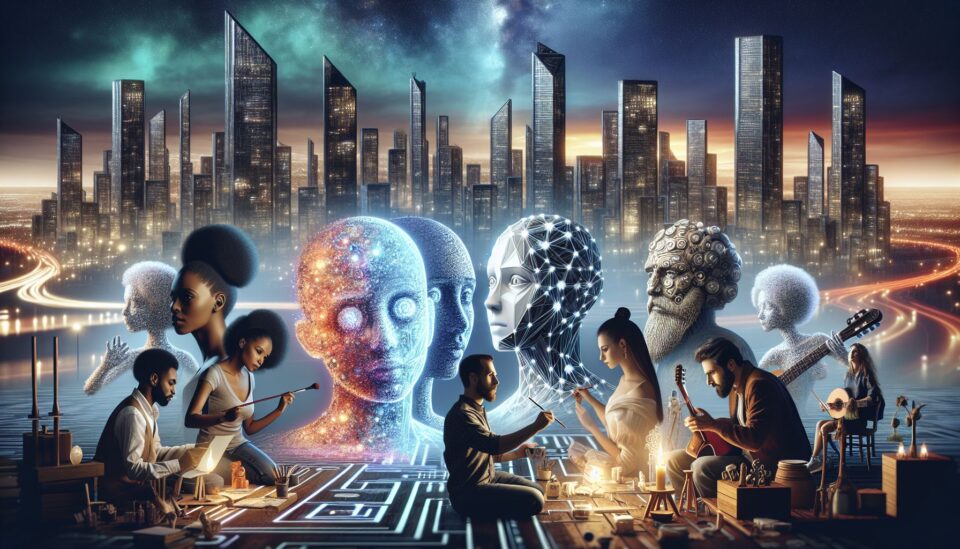
Nothing captures our collective attention quite like artificial intelligence these days. I’ve been watching AI make waves across different industries, but there’s something particularly fascinating about what’s happening in the creative arts. We’re seeing algorithms that can paint, compose music, write novels, and even design buildings. AI isn’t just another tool anymore, it’s becoming a creative partner. Let me walk you through how AI is changing artistic expression, the tricky ethical questions that come with machine creativity, and what this all means for artists at every stage of their careers.
The Intersection of Art and AI: It’s a Brave New World
AI as an Artist: Algorithms that Create
When I think of artists, I picture humans with that special spark for innovation and expression. But honestly? Those lines are getting blurry fast. AI programs like DeepArt, DALL-E, and RunwayML aren’t just copying human creativity anymore—they’re actually inspiring it. These programs can analyze massive art databases and generate original works that genuinely move people.
Remember the AI-created painting “Portrait of Edmond de Belamy”? It sold at Christie’s for $432,500. That sale sparked intense debates about originality, ownership, and what makes art valuable. People are still arguing about it, and rightfully so.
Enhancing Human Creativity: A Partner, Not a Replacement
Here’s what I find reassuring: despite all the doom-and-gloom predictions about AI replacing humans, in the arts it’s more like a creative booster. Artists are grabbing these AI tools and using them as extensions of their minds. Software becomes their new pencil, algorithms their canvas. Grimes has been experimenting with AI to create sounds that push her experimental music even further. Multimedia artist Refik Anadol takes datasets and transforms them into these mind-blowing visual experiences that completely redefine what art can be.
Ethical and Philosophical Considerations: Who Owns AI-Generated Art?
The Question of Authenticity
As AI art goes mainstream, we’re hitting some really tough questions about authenticity. Who’s the real artist here? The programmer who wrote the code? The algorithm itself? The machine running it? I find this fascinating because while programmers create the framework, the actual output often surprises everyone involved. It makes you wonder: is art about the intention behind it, or is it about the final result, regardless of who (or what) created it?
Intellectual Property: The New Frontier
The legal side of this is a complete mess right now. Courts around the world are scrambling to figure out copyright for AI-created work. Say an AI writes a song that goes viral—who gets paid? The person who built the AI? The person who used the program? The AI itself? It sounds almost absurd, but these questions need answers fast. We’re heading toward a world where human-AI collaborations might be the standard, not the exception.
How AI is Democratizing Art Creation
Lowering Barriers to Entry
One thing I love about AI art tools is how they’re opening doors for people who never considered themselves artists. You can download apps that use AI to transform photos, mimic famous painting styles, or help you compose music. Suddenly, anyone with a smartphone can create something beautiful. It’s completely changing who gets to call themselves an artist.
Driving Diversity and Inclusion in the Arts
AI’s ability to process enormous amounts of data is creating opportunities for more diverse artistic expression. When creators feed global art styles and cultural themes into AI systems, the output can cross cultural boundaries in ways we’ve never seen before. This could help bring more voices into an art world that’s historically been pretty exclusive.
Economic Impacts: Redefining Art Market Dynamics
New Revenue Streams: Licensing AI Creations
AI is creating entirely new ways for people to make money from art. Companies are licensing AI-generated content for advertising and marketing. It’s opening up profitable opportunities for both artists and the tech companies building these tools.
Investment in AI-Created Art
Tech-savvy investors are starting to pay serious attention to AI art. When you see AI artworks selling for hundreds of thousands at auction, it’s clear this isn’t just a novelty anymore. There’s real money flowing into this space, and it’s creating new markets that didn’t exist even five years ago.
What the Future Holds: Collaborative Evolution
Towards a Hybrid Artistic Process
I think the future of art is all about collaboration between humans and AI. Instead of replacing traditional methods, AI is expanding what’s possible. The romantic idea of the lone artist working in isolation might give way to dynamic partnerships between human creativity and machine capabilities. Artists are already discovering creative territories they couldn’t reach alone.
Challenges and Opportunities
Like any major technological shift, bringing AI into art comes with real risks alongside the exciting possibilities. There’s a legitimate concern about cultural homogenization, where AI might start prioritizing certain styles over authentic diversity. But there’s also incredible potential for innovation and new forms of expression. The key is making sure artists and technologists guide these technologies thoughtfully, keeping diversity, creativity, and authenticity at the center.
Conclusion
AI’s impact on artistic expression feels like we’re entering uncharted territory. These technologies have moved beyond simple tools to become active creative participants. The conversation between human and machine capabilities isn’t threatening creativity, it’s expanding what creativity can be. As AI continues developing, our definition of art evolves with it. We’re getting a glimpse of a world where anyone with imagination and access to technology can become an artist. But as we navigate this new landscape, we need to tackle the intellectual property puzzles, inclusion challenges, and ethical questions head-on. The goal is keeping technology as our creative ally, not letting it become a disruptive force that undermines what makes art meaningful.