What First-principles education Reveals About Web performance and core web vitals in 2026

What First-principles education Reveals About Web performance and core web vitals in 2026

The question worth asking about web performance and core web vitals in 2026 is not the one most coverage asks. The standard take misses the more important signal underneath. The more useful question — the one with real analytical leverage — is why the current situation exists at all.

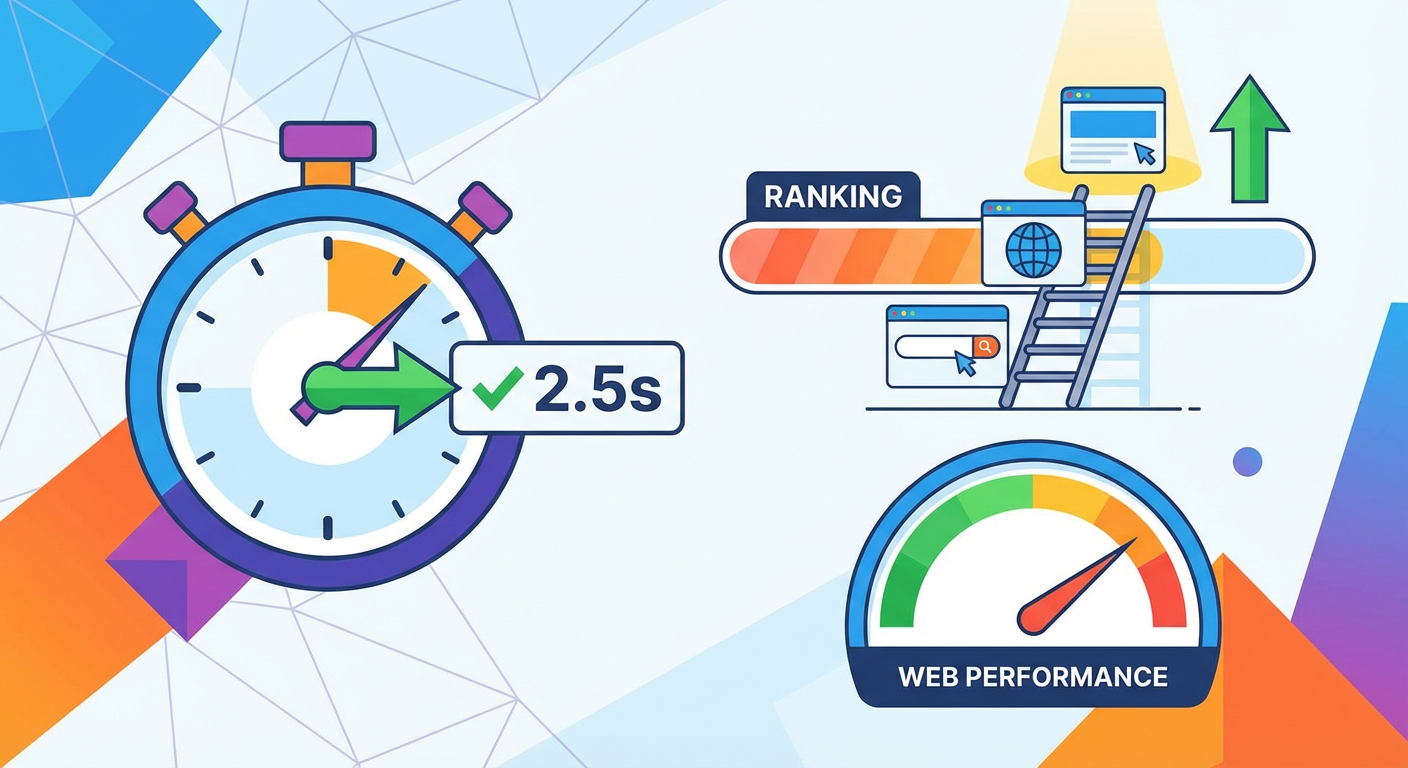
What makes this genuinely different from previous cycles is that LCP under 2.5 seconds is now the expected baseline for competitive ranking. The methodical read of the situation is also the more accurate one once you examine what the evidence actually shows.

What First-principles education Reveals About Web performance and core web vitals in 2026

The Education: Setting the Terms

Google confirmed CWV signals are part of the ranking algorithm since 2021. This isn’t just a data point in the story of web performance and core web vitals in 2026, it’s the structural condition that makes everything else in this analysis make sense. Context like this doesn’t age quickly. The conditions that produced it have been building for years, and the convergence makes the current moment distinct from previous moments that looked similar from a distance.

LCP under 2.5 seconds is now expected baseline for competitive ranking, and INP replaced FID as responsiveness metric in March 2024. When you look at both together, a pattern emerges that web.dev performance has been covering from the inside: the conditions are more durable than they first appear, and the implications extend further than the immediate headline suggests.

To understand why this matters, it helps to look at what was true three years ago versus what is true now. The difference isn’t simply quantitative, it’s qualitative. The participants, the infrastructure, and the incentive structures have all shifted in ways that compound rather than cancel out. That compounding is the most important element to track.

What makes this moment worth examining carefully isn’t the novelty but the confirmation. The underlying dynamics have been visible for some time. What’s new is that they’ve reached a threshold where ignoring them requires active effort rather than simple inattention. That threshold crossing is the event, not the underlying movement that produced it.

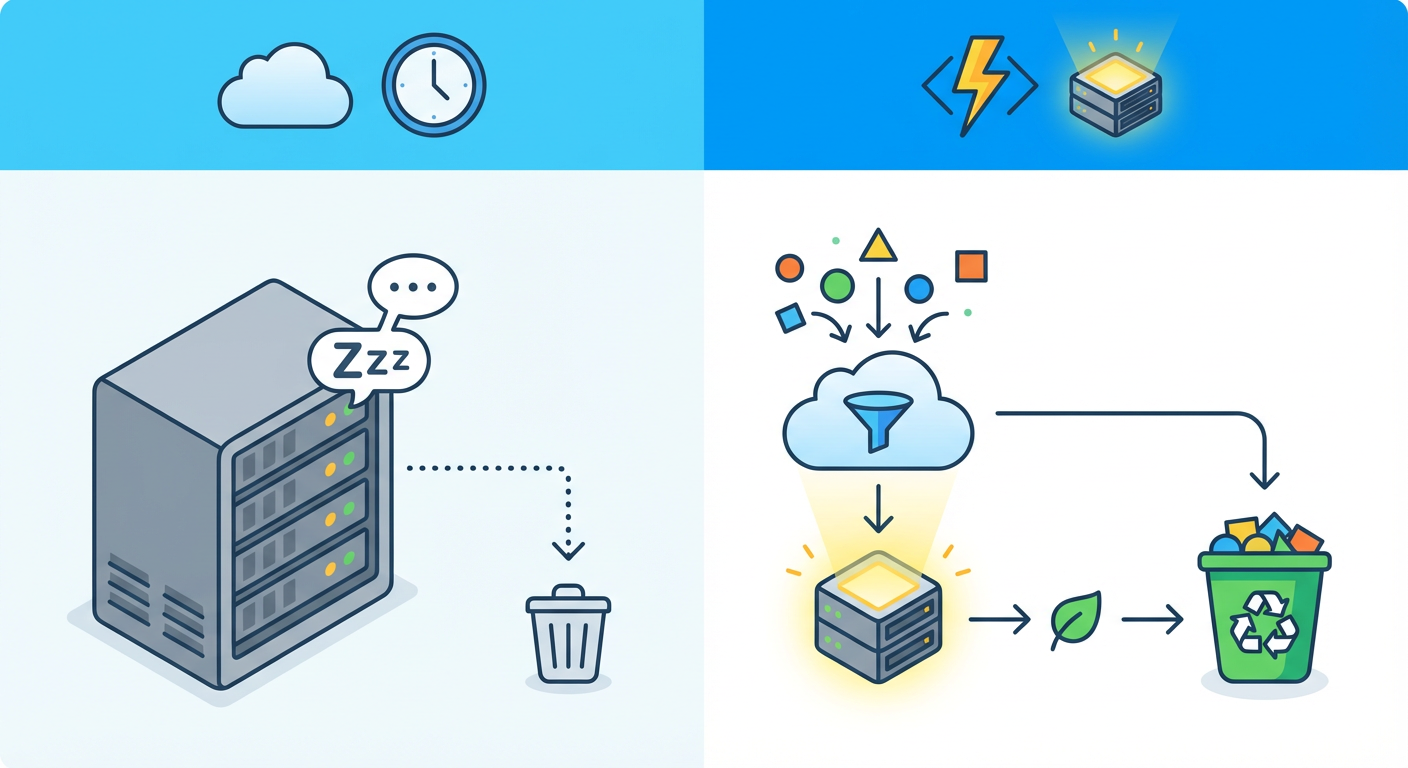
And edge computing via Cloudflare Workers and Vercel reducing TTFB globally is part of that same picture. These elements don’t exist in separate silos — they’re reinforcing conditions in the same structural shift.

Illustration for What First-principles education Reveals About Web performance and core web vitals in 2026

The Deep Cut Explainer: The Analysis

Edge computing via Cloudflare Workers and Vercel reducing TTFB globally is where the analysis gets more specific. The surface reading is accessible and not wrong, but it misses the mechanism. And the mechanism is where the practical insight lives. What makes this genuinely different from previous cycles is image formats like AVIF cutting payload by 50 percent vs JPEG, and understanding it changes what you do with the information.

Consider what image formats like AVIF cutting payload by 50 percent vs JPEG represents in context. It’s not a correlation that happened to appear — it’s a downstream consequence of structural factors that have been compounding. Previous readings of similar situations failed because they treated the symptom as the cause. The structural account is less satisfying as a headline but more useful as an analytical tool.

The comparison to prior cycles is instructive precisely because of where it breaks down. Similar conditions resolved differently in previous iterations because the substrate was different. JavaScript bundle bloat remains the top cause of poor CWV scores represents a substrate change — the kind that alters how the system responds rather than just its current value. Recognizing that distinction is what separates analysis from pattern-matching.

The skeptical counterargument deserves honest engagement: prior moments with similar surface characteristics didn’t produce the outcomes that seemed logical at the time. That history is real. What’s different now is JavaScript bundle bloat remains the top cause of poor CWV scores, which isn’t a minor variable — it’s the infrastructure condition that previous cycles lacked. Infrastructure changes tend to be persistent in ways that sentiment-driven changes are not. PageSpeed Insights is one source tracking this dimension with the rigor it requires.

There’s also a distributional question that often goes unaddressed in coverage of web performance and core web vitals in 2026: who captures the value created by these shifts, and who absorbs the disruption costs? The aggregate picture can be positive while the distribution is uneven in ways that matter enormously to specific participants. Keeping that distributional lens in view is part of reading the situation clearly rather than simply optimistically.

Implications: What This Means If You Care About Internals of common tools

The implications of web performance and core web vitals in 2026 extend beyond the immediate context. Google confirmed CWV signals are part of ranking algorithm since 2021 combined with the structural conditions described above creates a situation where adjacent fields, decisions, and communities are affected in ways that aren’t always visible from inside the primary story. The second-order effects are frequently more important than the first-order ones, and they’re where careful attention pays the highest returns.

The frame that matters here — and this is where the analysis departs from the mainstream coverage — is that INP replaced FID as responsiveness metric in March 2024 is a leading indicator rather than a lagging one. The people positioned to respond to what this signals, rather than to what it confirms, are the ones who will be less surprised by what follows.

The practical response depends heavily on your position relative to the dynamics at play. For those closest to the core of web performance and core web vitals in 2026, the implications are immediate and operational. For those at greater distance, the implications are strategic — a matter of understanding which adjacent pressures are building and which assumed stabilities are more fragile than they appear.

The practical question isn’t whether to engage with these dynamics but how. The answer depends on context — on what role you occupy relative to web performance and core web vitals in 2026 and what your actual decision horizon is. But the first step is the same regardless: accurate understanding of what’s actually happening rather than what the most available narrative says is happening.

A few concrete observations are worth separating out from the broader analysis. First: LCP under 2.5 seconds now expected baseline for competitive ranking isn’t a temporary condition — it’s a new baseline. Second: image formats like AVIF cutting payload by 50 percent vs JPEG suggests that the adjustment period isn’t over. Third, and most important: the organizations and individuals who are treating the current moment as a new steady state rather than a transition are making a categorization error that will be costly to unwind later.

The Case Against: What the Critics Get Right

Intellectual honesty requires acknowledging the strongest counterarguments, not just the weakest ones. The case against the optimistic reading of web performance and core web vitals in 2026 isn’t trivial. There are structural vulnerabilities in the current picture that deserve direct engagement rather than dismissal.

The most serious objection is the one about sustainability. INP replaced FID as responsiveness metric in March 2024 can be read not as a foundation but as a ceiling — a point beyond which growth becomes self-limiting because of the very dynamics that produced it. If the current state has already incorporated most of the available supply of early-adopting participants, the remaining growth curve may be structurally shallower than the recent trajectory implies.

There’s also the policy and regulatory dimension. Google confirmed CWV signals are part of ranking algorithm since 2021 describes a condition in a relatively permissive environment. Regulatory responses to the scale implied by these numbers aren’t inevitable, but they aren’t implausible either. The organizations that are planning as though the current regulatory environment is permanent are making an assumption that the history of fast-growing sectors doesn’t support.

The rebuttal to these concerns isn’t that they’re wrong — it’s that they’re already partially priced into the current state of the field. JavaScript bundle bloat remains the top cause of poor CWV scores reflects an environment where participants are already adapting to constraints rather than operating in an unconstrained space. The adjustment capacity of the ecosystem is higher than a purely top-down view of the risks suggests.

Looking Forward

The trajectory here is clearer than the pace. Making predictions about when specific thresholds will be crossed is genuinely difficult, and anyone claiming precision about timelines should be treated with skepticism. But the direction — toward Google confirmed CWV signals are part of ranking algorithm and continued development of the conditions described above — is supported by the evidence in a way that isn’t contingent on a single variable going right.

JavaScript bundle bloat remains the top cause of poor CWV scores is the variable to watch as the leading indicator. Historical patterns suggest it moves first, with broader metrics following with some lag. This doesn’t make the outcome certain, but it makes it readable — and readability is the precondition for good decisions.

Three questions are worth holding as the story develops. First: are the structural conditions that enabled the current state durable, or

Hotpenguin — Where Technology Meets Perspective

Hotpenguin — Where Technology Meets Perspective

Hotpenguin — Where Technology Meets Perspective

Deep dives into software, hardware, and the ideas that change how we build things.

We write about the technical side of technology. Not just product launches and press releases, but the architecture decisions, the tradeoffs, and the engineering culture that actually determines what gets built. The messy reality behind the polished demos.

Topics we cover: Software · Hardware · Developer Tools · AI & Machine Learning · Open Source · Security

Unlocking the Potential: Artificial Intelligence in Creative Arts

Unlocking the Potential: Artificial Intelligence in Creative Arts

Welcome back, fellow tech enthusiasts! If you’re anything like me, you’re probably buzzing with anticipation about how Artificial Intelligence keeps changing and its ripple effects across different industries. Today, I’m diving into the fascinating intersection of AI and the creative arts – a conversation that blends our wildest tech dreams with real machine learning breakthroughs happening right now.

Setting the Stage: AI Meets the Creative Frontier

For years, creativity has been largely considered a uniquely human thing, a domain where artistry, emotion, and intellect come together to produce masterpieces in writing, art, and music. But as artificial intelligence keeps advancing, the line between human and machine creativity is getting blurry, and it’s creating an entirely new world for the arts.

When we talk about AI in creative arts, we’re talking about using algorithms and machine learning to help or even drive the creative process. Picture an AI that can generate a symphony, write poetry, create sophisticated artworks, or even write a full novel. As sci-fi as it might sound, these applications are happening right now.

The Advent of Creative AI Systems

Over the past few years, we’ve seen explosive growth in machine learning algorithms that can handle increasingly complex tasks. Among the most impressive systems is OpenAI’s GPT (Generative Pre-trained Transformer) series, which has completely changed how we generate text, engaging in complex conversations and writing articles that mimic human writing styles with surprising accuracy.

Algorithms and Artistry

The ability of AIs like GPT-3 and its successors to produce creative content isn’t just copying human work. It represents a genuine, if early, meeting point between machine learning and artistry. When asked to write a poem or generate narrative fiction, these models use massive amounts of preprocessed data to structure language like humans do, bringing technology closer to truly understanding and replicating human creativity.

DeepArt and other generative adversarial networks (GANs) have made similar leaps in visual arts. These AI platforms can take inspiration from famous art styles – say, Van Gogh’s bold strokes or Mondrian’s clean lines – and apply them to new creations, often with mesmerizing results. Artists and creatives are now using these tools to explore uncharted creative territories, pushing the boundaries of their craft and sometimes collaborating with AI like they would with human partners.

Embracing a Collaborative Future

Redefining Artistry

With the rise of AI-generated art, what we mean by “artist” is shifting. Is an artwork created by an algorithm less valuable or less authentic than one created by a human? While purists might argue against AI’s place in traditionally human-only art spaces, many contemporary creatives see it as an opportunity for collaboration rather than competition.

AI tools have become sources of inspiration, offering artists a co-creator that can spark new ideas and challenge conventional thinking. They let creators prototype faster, iterate easily, and step beyond their artistic comfort zones without ever lifting a brush or setting pen to paper.

Democratizing Creativity

Beyond reshaping creation, AI is democratizing access to the arts. Think about it: a writer with limited resources can now use AI to help draft plots or brainstorm fresh ideas. Budding musicians can collaborate with AI to arrange compositions. This technology opens doors for people who may have previously lacked the means to break into the arts scene.

Enhancing Education in the Arts

AI is also revolutionizing education in creative fields. Interactive learning experiences powered by AI can personalize curriculums for students, simulate immersive art history lessons, or provide real-time feedback to aspiring painters and poets. Hyper-personalized learning paths and AI-driven tutoring might soon become mainstream, making education more accessible and tailored than ever before.

Navigating Ethical and Philosophical Implications

The AI Authorship Debate

One of the biggest ethical questions surrounding AI and creative arts revolves around authorship. If an AI produces a piece of art or a literary masterpiece, who owns the copyright? Does credit belong to the programmer, the person who trained the AI, or the AI itself, should it one day achieve sentience? Current legal systems haven’t fully caught up with these complex issues, leading to ongoing debate and policy development.

AI’s Influence on Cultural Norms

There’s also the question of how AI’s participation in the arts might shape cultural narratives. As algorithms learn from existing datasets, they carry the potential biases of their programmers and the limitations of their training inputs, raising concerns about their influence on cultural expression. Will AI accidentally homogenize culture, or can it help amplify diverse voices and perspectives traditionally marginalized in the arts?

Conclusion: Envisioning a Techno-Utopian Future

The convergence of AI and creative arts is as exciting as it is transformative. With AI systems working as collaborators rather than mere tools, we’re glimpsing the potential for an entirely new artistic renaissance – a future where technology amplifies human creativity rather than diminishing it.

Importantly, this tech-utopian vision requires careful guidance. While AI offers incredible potential, it needs thoughtful dialogue about the ethical, cultural, and artistic consequences of its rise. Let’s continue to celebrate the innovation, explore new possibilities, and keep creativity at the heart of this remarkable revolution.

Thanks for joining me on this exploration of the AI-driven creative frontier. As always, I’d love to hear your thoughts on these developments – are you excited about a future where AI plays muse to the world’s artists, or do you see challenges on the horizon? Drop a comment below or engage with me on social media. Until next time, keep dreaming big and coding even bigger!

Tech Utopian Breakthrough: The Impact of AI on Creative Arts

Tech Utopian Breakthrough: The Impact of AI on Creative Arts

Introduction

Nothing captures our collective attention quite like artificial intelligence these days. I’ve been watching AI make waves across different industries, but there’s something particularly fascinating about what’s happening in the creative arts. We’re seeing algorithms that can paint, compose music, write novels, and even design buildings. AI isn’t just another tool anymore, it’s becoming a creative partner. Let me walk you through how AI is changing artistic expression, the tricky ethical questions that come with machine creativity, and what this all means for artists at every stage of their careers.

The Intersection of Art and AI: It’s a Brave New World

AI as an Artist: Algorithms that Create

When I think of artists, I picture humans with that special spark for innovation and expression. But honestly? Those lines are getting blurry fast. AI programs like DeepArt, DALL-E, and RunwayML aren’t just copying human creativity anymore—they’re actually inspiring it. These programs can analyze massive art databases and generate original works that genuinely move people.

Remember the AI-created painting “Portrait of Edmond de Belamy”? It sold at Christie’s for $432,500. That sale sparked intense debates about originality, ownership, and what makes art valuable. People are still arguing about it, and rightfully so.

Enhancing Human Creativity: A Partner, Not a Replacement

Here’s what I find reassuring: despite all the doom-and-gloom predictions about AI replacing humans, in the arts it’s more like a creative booster. Artists are grabbing these AI tools and using them as extensions of their minds. Software becomes their new pencil, algorithms their canvas. Grimes has been experimenting with AI to create sounds that push her experimental music even further. Multimedia artist Refik Anadol takes datasets and transforms them into these mind-blowing visual experiences that completely redefine what art can be.

Ethical and Philosophical Considerations: Who Owns AI-Generated Art?

The Question of Authenticity

As AI art goes mainstream, we’re hitting some really tough questions about authenticity. Who’s the real artist here? The programmer who wrote the code? The algorithm itself? The machine running it? I find this fascinating because while programmers create the framework, the actual output often surprises everyone involved. It makes you wonder: is art about the intention behind it, or is it about the final result, regardless of who (or what) created it?

Intellectual Property: The New Frontier

The legal side of this is a complete mess right now. Courts around the world are scrambling to figure out copyright for AI-created work. Say an AI writes a song that goes viral—who gets paid? The person who built the AI? The person who used the program? The AI itself? It sounds almost absurd, but these questions need answers fast. We’re heading toward a world where human-AI collaborations might be the standard, not the exception.

How AI is Democratizing Art Creation

Lowering Barriers to Entry

One thing I love about AI art tools is how they’re opening doors for people who never considered themselves artists. You can download apps that use AI to transform photos, mimic famous painting styles, or help you compose music. Suddenly, anyone with a smartphone can create something beautiful. It’s completely changing who gets to call themselves an artist.

Driving Diversity and Inclusion in the Arts

AI’s ability to process enormous amounts of data is creating opportunities for more diverse artistic expression. When creators feed global art styles and cultural themes into AI systems, the output can cross cultural boundaries in ways we’ve never seen before. This could help bring more voices into an art world that’s historically been pretty exclusive.

Economic Impacts: Redefining Art Market Dynamics

New Revenue Streams: Licensing AI Creations

AI is creating entirely new ways for people to make money from art. Companies are licensing AI-generated content for advertising and marketing. It’s opening up profitable opportunities for both artists and the tech companies building these tools.

Investment in AI-Created Art

Tech-savvy investors are starting to pay serious attention to AI art. When you see AI artworks selling for hundreds of thousands at auction, it’s clear this isn’t just a novelty anymore. There’s real money flowing into this space, and it’s creating new markets that didn’t exist even five years ago.

What the Future Holds: Collaborative Evolution

Towards a Hybrid Artistic Process

I think the future of art is all about collaboration between humans and AI. Instead of replacing traditional methods, AI is expanding what’s possible. The romantic idea of the lone artist working in isolation might give way to dynamic partnerships between human creativity and machine capabilities. Artists are already discovering creative territories they couldn’t reach alone.

Challenges and Opportunities

Like any major technological shift, bringing AI into art comes with real risks alongside the exciting possibilities. There’s a legitimate concern about cultural homogenization, where AI might start prioritizing certain styles over authentic diversity. But there’s also incredible potential for innovation and new forms of expression. The key is making sure artists and technologists guide these technologies thoughtfully, keeping diversity, creativity, and authenticity at the center.

Conclusion

AI’s impact on artistic expression feels like we’re entering uncharted territory. These technologies have moved beyond simple tools to become active creative participants. The conversation between human and machine capabilities isn’t threatening creativity, it’s expanding what creativity can be. As AI continues developing, our definition of art evolves with it. We’re getting a glimpse of a world where anyone with imagination and access to technology can become an artist. But as we navigate this new landscape, we need to tackle the intellectual property puzzles, inclusion challenges, and ethical questions head-on. The goal is keeping technology as our creative ally, not letting it become a disruptive force that undermines what makes art meaningful.

PolicyGenius Review: Benefits of Independent Insurance Broker Comparison Shopping

PolicyGenius review is out to help you find the best and most cost effective insurance policies. “policygenius” was created by Christopher Freville, a certified public accountant, who used his knowledge of insurance jargon to put together an easy to use web site that helps policyholders find the best policy and best rates for their needs. PolicyGenius doesn’t sell any policies, only guides policyholders through the process of finding the best coverage for their needs at the best price. PolicyGenius review is full of great tips on finding low cost health insurance.

policygenius review

“policygenius” is America’s top online insurance market, with headquarters in New York and Durham, North Carolina. Our mission is to help individuals get affordable health insurance right from their computer by making it easy for them to know their options, shop for quotes, and purchase a policy, all from one location. The policygenius interface lets users find and compare quotes from all sorts of insurers. Once they find an insurer with a good quote they can fill out the online application form and start the application process.

After six weeks, policyholders get a handful of life insurance quotes to review. These quotes come from various insurers, including Aetna, Delta, Assurant, Celtic, Cigna, Fortis, Golden Rule, Humana, Kaiser Permanente, and Unicare. Each company offers a different level of coverage at different premiums. The six week period lets users review the quotes and make an informed decision about which policy works best for their needs.

If a policyholder chooses not to purchase a policy during the six-week time frame, that person won’t get a single quote from any of the insurers during that time. This feature saves time and gives people peace of mind by only pulling quotes from those companies offering the lowest prices. This gives the policyholder a sense of security when reviewing quotes. So for anyone who has ever been turned down for term life insurance coverage, you can forget about being turned down by term life insurance comparison sites.

Policygenius takes car insurance quotes much further than most insurance websites. Car insurance quotes offered through other websites are typically just offered from large national agencies like GEICO and Progressive. However, policygenius offers car insurance quotes from up to thirty different agencies including local ones like your local GM or Nissan. This lets you be more specific in your search for life insurance policies by narrowing down your insurance quotes based on location. For instance if you live in New York and need a car insurance policy based on New York state laws you can do a quick search by entering “New York car insurance” as your location. You’ll then see a listing of quotes from up to thirty different insurance companies. For more information on car insurance, check out Joywallet’s Policygenius Reviews.

Another benefit of using the policygenius comparison engine is that you can see quotes from all thirty auto insurance companies. By seeing a wide variety of quotes you can compare them to locate the policy that best meets your needs at the lowest price. If you go through an agent you may be dealing with a one size fits all company. When doing your comparison shopping, you’ll want to find a policy that caters to your individual needs because each person is different.

One of the benefits of using the service is that you get one of the most comprehensive and complete informational packages on the Internet. You’ll get information on the a.m. best rating of various health related problems as well as medical conditions that can negatively impact an individual’s chances of obtaining insurance policies. This includes information on medical conditions that have been diagnosed as having the potential for causing a claim as well as those that have been determined to not do so. One of the most helpful benefits of these services is that you get complete details on the financial benefits that you may receive if you were to make a claim on a policy. These packages are put together to give you the most current and accurate information possible.

There are other benefits that you get when using the policygenius comparison shopping engine as well. You receive information on the profitability of various insurance policies as well as the various types of policies that are available from the different companies. You also get information on the various discounts that are available when it comes to certain insurance policies. Using this service provides you with valuable and reliable information that will prove helpful in your efforts to obtain affordable, quality, independent insurance policies.

Playing Solitaire for Cash

Solitaire for cash has always been popular. But there are tons of other versions out there if you want more variety on your computer or just feel like switching things up. Before you jump into buying solitaire for cash, figure out what kind of money you’re actually willing to part with.

solitaire for cash

First, do you want a bunch of different cash game options? Because trust me, there are loads of versions available. You can play the classic solitaire game for free without spending a dime. Honestly, you might be shocked at how addictive this thing gets. But if one game isn’t enough to keep you busy, you can always grab more games online.

Think about your budget too. How much are you really willing to throw at a solitaire game? The good news is you’ve got options when it comes to card types. You can buy them in complete sets or get individual packs with just one card each. If you want decent quality cards though, I’d say go for the full set.

Some card sets come with extra bells and whistles like counters or special decks with their own rules. Say you hate dealing with aces when you don’t want to, you can get a deck that has special rules to avoid them entirely. Sure, you could still deal with an ace if you felt like it, but then you’d be stuck handling two of them.

After you’ve figured out what type of game you want and your spending limit, you need to decide where to buy it. Usually this choice comes after you’ve already picked out a variety of cards. Most stores sell these online now. You can even buy from specialty game stores if they don’t have an online presence.

You’ll see there are tons of different cards for sale. Some are used, others are brand new and never been touched. Know your budget before you start browsing around, trust me on this one.

Once you’ve picked your cards, decide how much you want to spend on each one. If you’re buying multiple packs, try to get them all for the same price if possible.

But if you want way more than one pack, consider getting two instead. Here’s why: you’ll probably want some leftover cash to buy new cards for future games. The more money you can put into the game, the better your chances of finding new cards you’ll actually enjoy playing with again.

When you’re setting your budget, think about what you can actually afford and what theme you’re going for with the cards. If you’re buying for a theme party, stick with cards that make sense for that theme. For a kid’s birthday party, you’d probably want cards that are easy to handle or really colorful.

Solitaire for cash works great if you just want to play a few times before deciding whether you want more. But if you’re after the real thrill of gambling, you’ll want to buy the complete set with all the cards.

Solitaire for cash makes a perfect gift for friends and family who love messing around with cards. Whether they’re players or dealers, there are plenty of fun ways to spend your money on this.

The Secret of Vegetarian Dating Sites No One Is Talking About

Eating for the first time with someone new? Yeah, it’s incredibly intimate and honestly pretty easy to mess up. If being vegetarian matters to you (and it should), you want someone who gets it. At Vegetarian Dating online, you can actually meet other single vegetarians looking for love. Vegan dating with vegetarian singles online isn’t really different from any other type of online dating.

vegetarian dating sites

You can choose whether you want to chat, flirt, or jump straight into dating someone. If there’s something you want to know about your date’s veggie lifestyle, or you’re curious about trying it yourself, just ask! Treat your date with the same good manners you’d show anyone else and be ready to stick through the whole date. For people who struggle to meet potential dates in person, online dating sites can really expand your options. If you’re comfortable being in each other’s homes, pick a delicious-sounding vegetarian recipe to try and spend the evening cooking together while flirting in the kitchen. Here are some tips for meat eaters going on their first date with someone who doesn’t eat beef.

Video reviews can help you understand the product you’re thinking about buying. You can’t read testimonials or make purchases the usual way with traditional shopping. You need to carefully read online reviews and figure out whether what you’re buying is actually worth the price. If you see tons of negative reviews about a particular product, that’s probably telling you something’s wrong with it.

The Lost Secret of Vegan Dating Sites

When you’re shopping online, you’ll notice there are plenty of well-known and trusted retailers. With technology advancing, online shopping has gotten a lot of attention from people around the world. When you want to buy something, you can just visit an online store and search for it. You’ll also find retailers who don’t have the best reputation, though.

The brand you’re looking to buy might be outside your budget. Try standing your ground with people who are pressuring you, and you might feel something from your favorite brand. Sometimes you’ll realize the product you’re planning to buy isn’t the best option available. You should also check whether the product you’re planning to buy fits well with your budget. Then you can figure out if it’s the right product for you to buy or not.

So How About Vegetarian Dating Sites?

The website is free to join, and you can do a quick search before signing up to see how many people in your area have what you’re looking for in a partner. If you’re looking for someone to adopt a plant-based lifestyle with you, this could be the place. A dating site should work as a search tool, helping you find people you might like who share your interests and protecting you from scammers. The best veggie dating websites offer a bunch of features that help you find lots of potential partners. When you find other vegans through online dating sites, you immediately have at least one major thing in common, which is honestly the best way to start finding the right person for you. Our user-friendly vegetarian dating website has various preference options so you can filter out people who don’t meet your criteria. You can also narrow your search by location or interests.

Choosing to buy online can save you quite a bit of money in the long run, since online retailers face more pressure to offer discounts to make sales. Online dating is a great way to meet single people looking for something serious. Luckily, the internet has several vegan dating websites where like-minded plant eaters can find each other. If you want to buy something, all you need to do is search for it online. This way, you can make sure you’re getting quality service at the end of the day. You should be careful to use a reputable online shop when looking for items you want to buy.

The Importance of the Best Deep Fryer

When you buy a deep fryer, pretty much anything that sounds good deep-fried becomes fair game. Just make sure you get a proper deep fryer instead of trying to rig something yourself – homemade setups can quickly turn into fire hazards. If you plan to fry food regularly, look for a compact model that won’t hog counter space.

A good fryer has a cool-touch exterior and a basket you can safely lower into the oil without getting near the hot surfaces. The viewing window lets you check on your food without lifting the lid. You can even find drop-in models that install directly into your countertops. Deep fryers eliminate the guesswork since you can control the exact temperature. Each fryer works a bit differently. The right deep fryer gives you crispy, delicious food without breaking the bank. If you’re still on the fence, I can help you figure out which one fits your needs. Models with baskets make it much easier to lift food out of the oil.

Depending on which model you choose, you might need a few extra accessories to get the most out of your fryer. A deep fryer isn’t rocket science. With so many options available, there’s definitely one that’s right for you.

You’ll come across three main types of fryers when you start shopping. If you want a high-quality fryer with longer oil life and easy cleanup, the T-fal FR-8000 might be your best choice. Think about what features matter most to you. Since there are tons of different home deep fryers out there – big ones, small ones, models with various cooking features – you’ll want to consider a few things before buying one that actually fits your lifestyle.

What Is So Fascinating About Best Deep Fryer?

If you don’t use your fryer much, store the oil in the refrigerator so it doesn’t go rancid. Some deep fryers come with multiple baskets, which lets you fry different foods at the same time. You’ll also want to think about how easy it will be to drain your fryer. Deep fryers are pretty popular appliances because they make fried foods efficiently and consistently. Electric deep fryers are the most common type you’ll see. A smaller electric model might be all you need.

Your fryer should fit comfortably on your kitchen counter. Look for a nonstick interior to make cleaning easier. Before you decide if buying a deep fryer is really the right choice for you, honestly think about how often you’ll actually use it. If you’re considering any of the best electric deep fryer options available today, keep a few key factors in mind.

The Argument Over The Best Deep Fryers

Large capacity deep fryers can be pretty bulky, especially when it comes to storage. If your deep fryer doesn’t have an automatic thermostat, you can easily buy a separate one. Most deep fryers are designed with removable, easy-to-clean parts and nonstick surfaces. Some are even dishwasher safe. Basic models have simple dial controls for temperature, while fancier ones come with digital displays.

If you want to fry a whole turkey, you’ll need a bigger fryer, and you better be extremely careful about safety. Turkey frying can be dangerous if you’re not paying attention. For indoor turkey frying, unless you live somewhere warm year-round, an indoor turkey fryer makes more sense than dealing with outdoor equipment.

If you plan to fry different types of food, you’ll probably want to separate and store the oil between uses. Frying can get messy and tricky. Look, if you want to enjoy deep fried food, go for it and savor the experience. Just try not to make it an everyday thing. There are plenty of delicious options like fish, chicken, and various vegetables, but gentler cooking methods are usually better for regular meals.

How much oil a fryer holds matters for several reasons. You can use different types of oil in most fryers. If you fry frequently, you can leave the oil in the fryer between uses. Olive oil usually isn’t the best choice for deep frying, though.

Your Choices for the Best Dutch Oven

Top Best Dutch Oven Choices

Best Dutch Oven

Read the item’s description carefully to understand what the oven is made from. If it’s dishwasher safe, it works well for all sorts of dishes. Let’s be honest, Dutch ovens are heavy beasts when they’re full. Most people expect them to be made of cast iron, but you’ll find them in various materials. Cast iron Dutch ovens need seasoning before using, just like other cast iron cookware. When picking your cast iron dutch oven, there are 3 things you should look for.

Regular ovens vent, so it’s hard to keep things moist unless you use a covered baker. Dutch Ovens have different features depending on the manufacturer, and they come in various sizes. There’s nothing quite like scoring an amazing oven.

Enameled ovens can usually be washed like regular cookware, and some brands are even dishwasher safe. With proper care, a Dutch oven will last you years. If you plan to use your oven indoors, make sure the pot works with different cooktops. These ovens are versatile enough to make a meal for the whole family or just for two. Some people hesitate about dutch ovens because they’re big and heavy even when empty. Smaller Dutch ovens will limit what you can cook. With the detailed advice below, you’ll know what to look for when choosing the best dutch oven for yourself.

Finding the Best Dutch Oven

Just remember, if that’s what you choose, the extra space between the lid and food can make it cook a bit differently when baking. Your quick guide to some of the best meals to make with an oven while camping. Cooking with an oven while camping is a great way to feed a large group. You’ll need to follow the guidelines below for cook times, and you’ll have to watch the temperature carefully.

It’s not only top-quality, it’s perfect for baking bread. Baking your own bread is something to be proud of. Top the cheese with the rest of the pasta, then cover with the remaining cheese. Check that chicken is fully cooked and enjoy! Versatile and tasty, chicken is an excellent protein source and lets you get creative. If you’re new to cooking beef, here’s a helpful chart with roasting guidelines. Dutch oven pot roast is simply straightforward!

Perfect for your car camping site, definitely not for backpacking, but you can make a really great meal as mentioned. You can create other delicious meals in it too. Or maybe you just want a great home meal! You can get your fire and coals started while family and friends run to the store if you’re cooking with others. A dinner full of love and warmth says everything. You’ll feel like you’re eating at a restaurant while in the comfort of your home.

Sure, iron is great for you, but you don’t want to end up with curry soup. Iron has been used to create cooking vessels for centuries. It’s also very durable, but to prevent rust and keep it in pristine condition, it needs seasoning. New cast iron must be “treated” or “seasoned” (usually done by heating the cookware when it’s coated with oil or shortening and letting the oil soak into the metal) before first use. While it comes preseasoned, enameled cast iron is ready to use from the box, but cast iron needs extra care. Bar Keepers Friend powder is handy if you have burns that won’t budge. Mix it with a little water and scrub away.

Watch it for the last ten minutes so you don’t scorch the top. The pot’s light-colored enameled bottom makes it easy to see how much browning happens as you cook. The lid can double as a griddle, making it simple to cook breakfast and bread with one pot. Some people call any large pot a Dutch oven, but it might not be what you’re looking for. Ceramic Dutch ovens and some Pyrex can handle the task, but check the manufacturer’s recommendations about preheating empty before trying it.

How to Edit a Novel: Word Processing Power for First-Time Editors Traveling Abroad

As more writers all over the world move their work to self-publishing platforms like Lulu and KDP Select, writers increasingly need to become their own editors. This can sound absolutely terrifying if you’ve never put on your editing hat before, but it’s not nearly as difficult as you might think to go from writer to editor.

Your word processor has tons of tricks and shortcuts built right in, all designed to make editing easier. Many writers and editors don’t use these tools simply because they don’t know they exist. I’ve seen people spend hours on tasks that could take minutes with the right shortcuts.

Are you using your word processor to its full capacity?

If you need a little extra help, here are some handy keyboard shortcuts and word processor tricks that can make the editing process both faster and easier.

Choose the Right Word Processor

Start with the right word processor if you want editing to be as smooth as possible. The most updated version will ensure you don’t run into compatibility issues or lost formatting settings.

While MS Word used to be the go-to option, it’s not as widely used today because there are better, free alternatives out there. LibreOffice and Apache OpenOffice are two of the most powerful word processors you can get for free. If those don’t work for you, try Google Docs, which automatically saves to the cloud as you work.

Find and Replace

Find and replace is one of the biggest time-savers you have. Use it when you need to make several replacements of a specific grammar mistake or word. Think 200 instances of the character name Dave when it should have been Joe. Doing this one-by-one would take you hours instead of seconds.

The find setting also helps you locate anything quickly in your manuscript. For faster access, use the keyboard shortcut CTRL+F.

Using Comments

Comments within a word processor can be incredibly useful for keeping track of your thoughts. Insert a comment by pressing CTRL+ALT+C. In comment mode, you can cycle through all the comments you’ve made in a document. It’s a quick way for an editor to make notes that only they can see (yes, you can press Hide Comments under the settings).

Tracking Changes with Track Changes

If you want to leave more than just comments in your document, use track changes. This will keep track of all your changes in red. Later you can either accept or reject these changes. As an editor, this is incredibly useful for remembering exactly what you’ve done.

If you aren’t sure what you’ve changed, turn track changes on and it will show you. It’s like taking a red pen to a manuscript, except much easier with technology on your side.

Erasing Words

You spend way too much time pressing the erase and delete keys while you’re editing a book. There’s no need to erase one letter at a time, especially when you’re trying to save time during the editing process.

Use CTRL together with the backspace key to erase entire words instead of just individual letters. When you’re backspacing big pieces of text, this saves you tons of time, effort and keystrokes.