Mastering Cloud Cost Optimization: Your Career Guide to FinOps Excellence

The Rising Stakes of Cloud Financial Management

Cloud spending continues its relentless climb across organizations of all sizes. Yet beneath this growth lies a troubling reality that forward-thinking professionals can’t ignore. Industry analysts project that nearly one-third of all cloud expenditure will be pure waste by 2025. We’re talking about billions in misallocated resources that could otherwise fuel innovation and growth.

This wastage comes from common pitfalls: over-provisioned instances running idle, forgotten development environments consuming resources, and poorly optimized workloads burning through compute credits. For technology professionals, this creates both a real challenge and an unprecedented career opportunity. Organizations desperately need skilled practitioners who can navigate cloud economics.

The discipline addressing these challenges has gained remarkable traction. The FinOps Foundation has seen explosive growth, with membership expanding threefold over just two years. This surge reflects urgent demand for professionals who understand both the technical and financial dimensions of cloud operations.

Building Your Foundation in FinOps Practices

Successful cloud cost optimization requires mastering several core competencies that combine technical skills with financial discipline. The most impactful practitioners understand how to use commitment-based discounts effectively. Organizations implementing reserved instances and savings plans typically achieve cost reductions ranging from 40 to 60 percent on their compute expenses.

However, these tools demand careful analysis and forecasting skills. You must accurately predict usage patterns, understand the trade-offs between flexibility and savings, and navigate the complex matrix of instance types and regional availability. This analytical work forms the foundation of FinOps practice and represents valuable skills that transfer across cloud providers and industries.

Tools like AWS Cost Explorer provide the data foundation for these decisions, but extracting actionable insights requires developing expertise in cost analysis, trend identification, and scenario planning. Professionals who can translate raw spending data into strategic recommendations find themselves in high demand.

Advanced Optimization Strategies for Technical Leaders

The most sophisticated cloud cost optimization extends beyond basic rightsizing exercises. Spot instances and preemptible compute resources have revolutionized how organizations approach machine learning workloads. These discounted resources now power most ML training operations, delivering substantial cost savings while requiring new approaches to fault tolerance and workload management.

Understanding how to architect applications for spot instance interruptions becomes essential. This involves implementing checkpoint mechanisms, designing stateless workloads, and building robust retry logic. These skills position you at the intersection of cost optimization and modern application architecture, making you invaluable to organizations pursuing both efficiency and innovation.

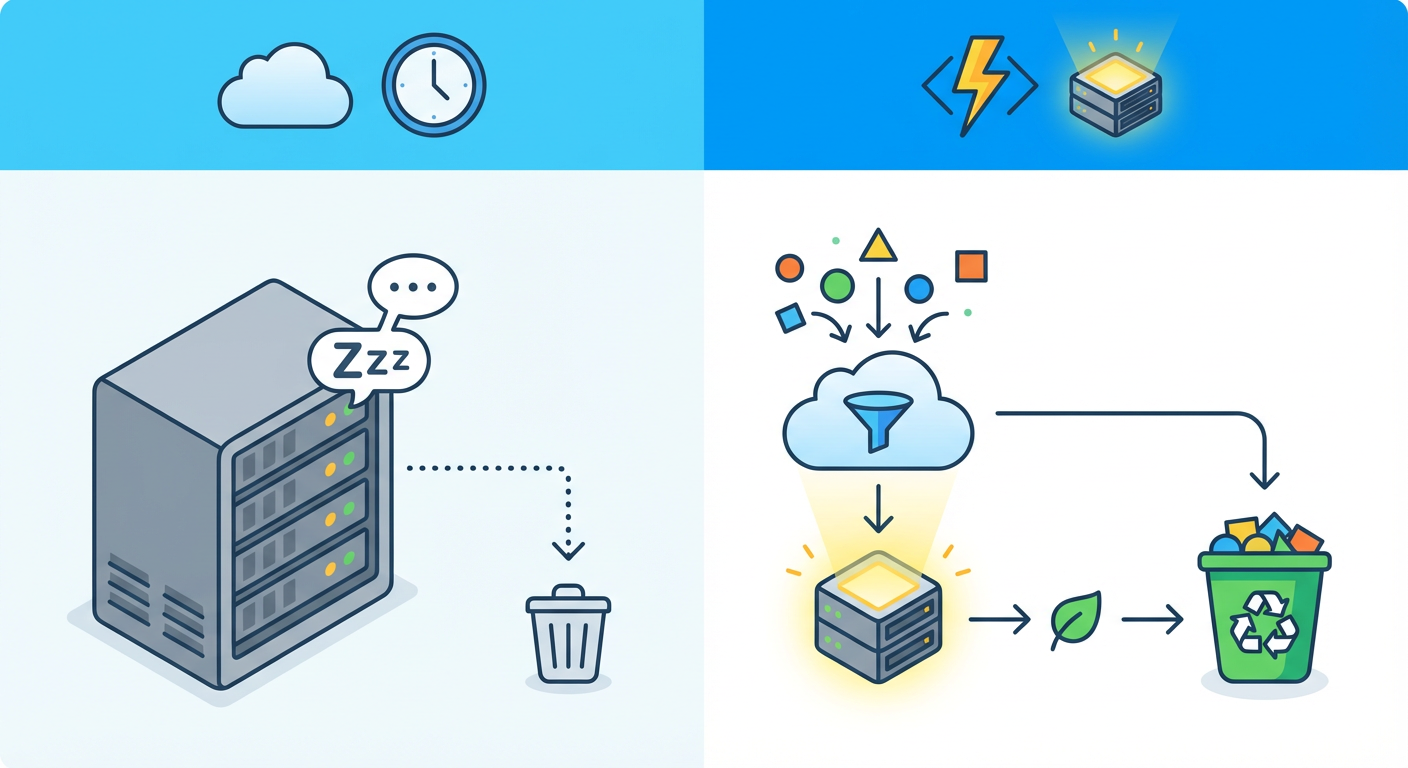
Serverless computing represents another frontier for cost-conscious professionals. Event-driven architectures built on serverless platforms eliminate idle resource consumption entirely, paying only for actual execution time. However, optimizing serverless workloads requires understanding cold start implications, memory allocation strategies, and the cost characteristics of different trigger patterns.

Navigating Multi-Cloud Complexity

The trend toward multi-cloud strategies has introduced new dimensions to cost optimization challenges. While diversifying across cloud providers can reduce vendor lock-in and improve resilience, it also multiplies operational complexity. Each platform offers different pricing models, discount structures, and optimization tools that must be mastered separately.

Professionals who can develop unified cost management approaches across multiple cloud environments become increasingly valuable. This involves understanding how to normalize cost data across providers, implement consistent tagging strategies, and build cross-platform visibility into spending patterns. The ability to provide consolidated financial insights across a heterogeneous cloud environment represents sophisticated skills that command premium compensation.

Success in multi-cloud cost optimization also requires developing vendor management capabilities. Understanding how to negotiate enterprise agreements, structure pricing discussions, and leverage competitive dynamics becomes as important as technical optimization skills.

Developing Your FinOps Career Trajectory

The FinOps discipline offers multiple career paths for ambitious professionals. Individual contributors can specialize in areas like cost analytics, optimization engineering, or cloud financial modeling. These roles typically involve deep technical work combined with business impact analysis, offering intellectual challenge alongside measurable value creation.

Leadership tracks in FinOps focus on building organizational capabilities and driving cultural change. Cloud cost optimization requires cross-functional collaboration between engineering, finance, and business teams. Leaders who can bridge these domains and establish effective governance frameworks find themselves positioned for senior roles in technology organizations.

The certification landscape continues evolving as the discipline matures. Professional certifications from cloud providers and the FinOps Foundation provide structured learning paths and credential recognition. However, hands-on experience implementing cost optimization strategies remains the most valuable differentiator in the marketplace.

Building expertise in this rapidly evolving field requires continuous learning and practical application. Start by deeply understanding the cost models of your organization’s primary cloud provider, then expand into adjacent areas like workload optimization and financial planning. The intersection of technical depth and business acumen in FinOps creates compelling career opportunities for professionals willing to invest in developing these hybrid skills. What aspect of cloud cost optimization interests you most as you consider your next career move?


Your First Steps Into Cloud Cost Optimization: A Beginner’s Guide to FinOps

Your First Steps Into Cloud Cost Optimization: A Beginner’s Guide to FinOps

Understanding the Cloud Cost Challenge

Companies around the world are learning the hard way that cloud computing’s “pay only for what you use” promise is often just marketing speak. Industry analysts expect nearly one-third of all cloud spending in 2025 will go toward unused or poorly optimized resources. We’re talking billions of dollars wasted on idle virtual machines, oversized databases, and forgotten development environments that nobody remembers spinning up.

Your First Steps Into Cloud Cost Optimization: A Beginner's Guide to FinOps
Your First Steps Into Cloud Cost Optimization: A Beginner’s Guide to FinOps

The problem isn’t really technical complexity. It’s a complete flip in how technology costs work. Old-school IT infrastructure meant big upfront investments with predictable monthly bills. Cloud computing turns this upside down. You can spin up resources instantly, costs change daily, and suddenly everyone from engineering to finance to operations has to worry about the budget.

This mess has led to FinOps, which tries to bring some financial sanity to cloud usage. The FinOps Foundation has tripled its membership over the past two years. That’s a pretty clear sign that organizations desperately need better ways to manage cloud costs without dedicated practices and tools.

Illustration for Your First Steps Into Cloud Cost Optimization: A Beginner's Guide to FinOps
Illustration for Your First Steps Into Cloud Cost Optimization: A Beginner’s Guide to FinOps

Building Your Foundation: Start With Visibility

You can’t optimize what you can’t see. Most cloud providers have native cost management tools that work well as starting points. Tools like AWS Cost Explorer give you detailed breakdowns of spending by service, region, and time period.

Start by setting up cost allocation tags across your resources. These metadata labels let you track spending by department, project, or environment. Keep it simple with three basic tags: team, environment, and project. This foundation helps you figure out which groups are burning through the most cash and understand spending patterns across development, staging, and production workloads.

Set up automated cost alerts to catch spending spikes before they blow up your budget. Configure notifications when daily or monthly costs jump above normal levels. These early warnings help teams respond quickly to runaway processes or misconfigured resources that could otherwise generate nightmare bills.

Schedule regular cost review meetings where engineering and finance teams look at spending trends together. Weekly 30-minute sessions focusing on the biggest cost drivers often reveal optimization opportunities that individual teams miss. These collaborative reviews build the cultural foundation you need for long-term cost management.

Quick Wins: Low-Risk, High-Impact Optimizations

Once you can see where your money goes, focus on optimization strategies that deliver immediate results with minimal risk. Reserved instances and savings plans are the most straightforward path to serious cost reduction. These commitment-based pricing models typically cut compute costs by 40 to 60 percent compared to on-demand pricing.

Start conservatively by analyzing your steady-state workloads over the past three to six months. Find virtual machines or database instances that run consistently without big changes in size or type. These stable workloads are perfect candidates for one-year reserved instance commitments, which offer substantial savings with manageable risk.

For development and testing environments, implement automated scheduling that shuts down resources during off-hours. A simple script that stops non-production instances at 7 PM and restarts them at 8 AM can cut these costs by 60 to 70 percent. Most development work happens during business hours anyway, making this optimization both effective and painless.

Right-sizing is another easy target. Many organizations provision resources based on peak capacity requirements, leaving them oversized for typical workloads. Review CPU and memory utilization metrics to find instances consistently running below 20 percent capacity. Downsizing these resources often maintains performance while cutting costs significantly.

Advanced Strategies for Growing Teams

As your FinOps practices mature, you can explore more sophisticated optimization techniques. Spot instances and preemptible compute now power most machine learning training workloads, offering savings of up to 90 percent for fault-tolerant applications. These discounted resources can be interrupted with short notice, making them suitable for batch processing, data analysis, and development workloads.

Serverless computing technologies eliminate idle costs for event-driven applications. Functions that respond to user requests or process data only consume resources during execution, making them ideal for workloads with sporadic or unpredictable usage patterns. This approach reduces waste by ensuring you pay only for actual computation time.

Multi-cloud strategies have become increasingly common as organizations try to avoid vendor lock-in and use best-of-breed services. However, managing costs across multiple cloud providers adds serious operational complexity. Consider implementing centralized cost management platforms that aggregate spending data from all cloud providers, giving you unified visibility into your total cloud investment.

Container orchestration platforms like Kubernetes enable more efficient resource utilization through intelligent workload scheduling. By packing multiple applications onto shared infrastructure and automatically scaling based on demand, these platforms can significantly improve resource efficiency compared to traditional virtual machine deployments.

Measuring Success and Building Momentum

Effective FinOps needs metrics that demonstrate progress and identify areas needing attention. Track your cloud efficiency ratio by comparing actual spending to optimized spending targets. Monitor unit economics by calculating cost per customer, transaction, or other business-relevant metrics that tie cloud spending to business outcomes.

Implement showback and chargeback mechanisms that allocate cloud costs to the teams responsible for generating them. This financial accountability encourages teams to consider cost implications when making architectural decisions. Start with simple showback reports that display costs without financial transfers, then evolve toward chargeback as your tagging and allocation capabilities mature.

Celebrate optimization wins publicly to build momentum across your organization. Share success stories about teams that reduced costs while maintaining or improving performance. These stories demonstrate that cost optimization enhances rather than hurts engineering effectiveness.

Cloud cost optimization is an ongoing process rather than a one-time project. Start with the basics of visibility and quick wins, then gradually introduce more sophisticated strategies as your team’s capabilities grow. The key is beginning with manageable steps that build confidence and demonstrate value, creating a foundation for more advanced FinOps practices over time.

The Infrastructure Revolution: How Platform Engineering Is Reshaping Enterprise Technology

The Container Orchestration Landscape Has Reached Maturity

Enterprise technology leaders no longer debate whether to adopt containerization. The question has shifted to how effectively they can orchestrate and manage these containers at scale. With more than four out of five organizations running containers now relying on Kubernetes as their orchestration platform, we’re watching what was once a messy ecosystem turn into something that actually works.

This widespread adoption reflects more than just technological preference. It shows that enterprises have moved beyond experimental phases into production-critical deployments where reliability and ecosystem support matter most. The CNCF landscape keeps expanding, but Kubernetes has clearly won the orchestration battle, giving everyone else a stable foundation to build on.

Here’s what surprises me: Docker Desktop keeps its position despite those licensing changes that had everyone freaking out. Turns out developer experience beats cost concerns when the alternative means disrupting everyone’s workflow. Organizations just absorbed the licensing costs rather than put their teams through painful tooling migrations.

Platform Engineering Emerges as the New Operational Paradigm

The rise of dedicated platform engineering teams represents a fundamental shift in how organizations approach infrastructure complexity. These teams act as translators between raw infrastructure capabilities and development teams, creating abstraction layers that actually help productivity instead of just adding more bureaucracy.

This trend tackles a real problem that showed up as containerization matured. Sure, containers solved application portability and consistency challenges, but they brought new headaches around networking, storage, security, and lifecycle management. Platform engineering teams hide these concerns behind developer-friendly interfaces while keeping the underlying flexibility that containers provide.

The best platform engineering initiatives focus on reducing cognitive load rather than locking things down. They create easy paths for common use cases while keeping escape hatches for weird edge cases. This acknowledges that one size rarely fits all in enterprise environments while still giving operations teams the consistency and reliability they need.

What makes effective platform engineering different from traditional infrastructure teams is the product mindset. These teams treat internal developer experience as their main product, measuring success through developer productivity metrics rather than just infrastructure uptime. This perspective shift drives completely different tooling choices and architectural decisions.

Observability Revolution Through Kernel-Level Innovation

Extended Berkeley Packet Filter technology is changing how organizations approach observability and security in containerized environments. By operating at the kernel level, eBPF gives you comprehensive monitoring and control without requiring application code changes or performance hits.

This capability tackles one of the most annoying challenges in container observability: gaining visibility into application behavior without modifying the applications themselves. Traditional monitoring approaches require either code instrumentation or sidecar containers. Both add complexity and potential performance overhead.

eBPF programs can capture network traffic, system calls, and application metrics with minimal performance impact while providing unprecedented visibility into container interactions. This granular observability proves particularly valuable in complex microservices architectures where traditional monitoring approaches struggle to trace requests across service boundaries.

The security implications are equally significant. eBPF enables runtime security monitoring that can detect and potentially prevent malicious behavior without requiring pre-deployed security agents or application modifications. This becomes increasingly important as organizations deploy containers in zero-trust security models.

WebAssembly Expands Beyond Browser Boundaries

Server-side WebAssembly adoption is picking up speed as organizations discover its potential for secure, portable, and efficient workload execution. While WebAssembly initially got attention for web browser performance improvements, its server-side applications are proving equally compelling for containerized environments.

WebAssembly’s sandboxing capabilities provide security benefits that complement traditional container isolation. The technology delivers near-native performance while maintaining strong security boundaries, making it attractive for multi-tenant environments where isolation is critical. This combination of performance and security addresses concerns that have limited container adoption in some sensitive environments.

The portability story is particularly interesting. WebAssembly modules can run consistently across different architectures and operating systems without the compatibility layers that containers sometimes require. This simplifies deployment pipelines and reduces the testing burden for organizations supporting diverse infrastructure environments.

Early adopters are exploring WebAssembly for edge computing scenarios where resource constraints and security requirements make traditional containers less suitable. The smaller runtime footprint and faster startup times position WebAssembly well for serverless and edge deployments where efficiency matters more than ecosystem compatibility.

GitOps Becomes Infrastructure Management Standard

Organizations with mature DevOps practices have embraced GitOps as their standard approach to infrastructure management, reflecting a broader shift toward declarative, version-controlled operations. This adoption pattern suggests that GitOps represents more than a trending methodology. It’s becoming the expected approach for infrastructure management in sophisticated environments.

The appeal lies in applying familiar software development practices to infrastructure management. Version control, pull requests, automated testing, and rollback capabilities provide the same benefits for infrastructure that they’ve long provided for application code. This consistency reduces the mental overhead for teams managing both applications and infrastructure.

GitOps particularly shines in containerized environments where infrastructure can be described declaratively through manifests and charts. The Kubernetes documentation increasingly emphasizes declarative approaches that align naturally with GitOps workflows, creating a reinforcing cycle of adoption.

However, successful GitOps implementation requires organizational maturity beyond just technical capability. Teams need established code review practices, clear branching strategies, and robust testing pipelines. Organizations attempting GitOps without these foundations often struggle with the complexity rather than benefiting from the consistency.

The convergence of these trends suggests we’re entering a new phase of infrastructure maturity where the focus shifts from adopting individual technologies to creating cohesive platforms. The organizations that thrive will be those that can integrate these capabilities into developer-friendly platforms while maintaining the operational rigor that enterprise environments demand. What’s your experience with these emerging patterns? The infrastructure landscape keeps evolving rapidly, and practical insights from implementation teams help shape the direction of these technologies.

The FinOps Revolution: Why Cost Optimization Has Become Cloud Computing’s Most Critical Discipline

The FinOps Revolution: Why Cost Optimization Has Become Cloud Computing’s Most Critical Discipline

The Staggering Scale of Cloud Waste

The numbers are stark. Industry analysts predict that organizations will waste nearly one-third of their total cloud expenditure in 2025, representing billions of dollars in unnecessary spending across the global economy. This isn’t a rounding error or an acceptable cost of doing business in the cloud era. It’s a fundamental failure of financial governance that technology leaders need to address now.

The FinOps Revolution: Why Cost Optimization Has Become Cloud Computing's Most Critical Discipline
The FinOps Revolution: Why Cost Optimization Has Become Cloud Computing’s Most Critical Discipline

The root causes of this waste are surprisingly consistent across organizations of all sizes. Overprovisioned resources sit idle during off-peak hours. Development and testing environments run continuously when they should be shut down after business hours. Legacy applications migrate to the cloud without architectural optimization, bringing their inefficient resource consumption patterns with them. Most damaging of all, teams lack the tools and processes to understand their actual usage patterns versus their provisioned capacity.

What makes this particularly frustrating is that cloud waste is largely preventable. Unlike traditional IT infrastructure where capacity planning required educated guesses about future needs, cloud platforms provide granular usage data and flexible pricing models. The technology exists to eliminate most wasteful spending. The challenge lies in organizational discipline and the adoption of proper financial operations practices. We know what to do, we just aren’t doing it.

FinOps Emerges as an Essential Discipline

The explosive growth of the FinOps Foundation tells the story of an industry awakening to the importance of cloud financial management. Membership in this organization has tripled over the past two years, reflecting a massive shift in how enterprises approach cloud spending. What began as a niche practice has become an essential organizational capability.

FinOps, or cloud financial operations, is more than just cost monitoring. It’s a cultural and operational framework that brings together engineering, finance, and business teams around shared accountability for cloud spending. This collaborative approach breaks down the traditional silos where engineering teams optimize for performance while finance teams focus purely on cost reduction. Instead, FinOps promotes a balanced view where cost efficiency becomes an engineering principle.

The maturation of FinOps practices reflects a broader understanding that cloud transformation isn’t just about technology migration. It requires fundamental changes to how organizations budget, forecast, and manage operational expenses. Companies that treat cloud spending as a traditional capital expense quickly find themselves struggling with unpredictable bills and limited financial visibility. I’ve seen this pattern play out repeatedly across different organizations.

Reserved Capacity and Smart Instance Management

The most immediate wins in cloud cost optimization often come from intelligent capacity management. Organizations implementing reserved instances and savings plans typically see cost reductions of 40 to 60 percent compared to on-demand pricing. These aren’t marginal improvements. They represent the difference between sustainable cloud economics and unsustainable spending growth.

However, reserved capacity strategies require sophisticated forecasting and commitment management. Teams must balance the desire for cost savings against the flexibility that makes cloud computing attractive in the first place. This balance becomes even more complex in dynamic environments where workload patterns change frequently or where business growth creates unpredictable capacity demands. It’s a tricky balance to get right.

The emergence of spot instances and preemptible compute has created new opportunities for cost optimization, particularly in machine learning and data processing workloads. These interrupted computing models now power the majority of ML training jobs, delivering compute capacity at fractions of on-demand pricing. Smart organizations are architecting their applications to take advantage of these pricing models, designing fault-tolerant systems that can handle instance interruptions gracefully.

Tools like AWS Cost Explorer have evolved to provide sophisticated analytics that help teams understand their usage patterns and optimize their instance selection. The key is moving beyond simple cost monitoring toward predictive optimization that can recommend specific actions based on actual usage data.

The Multi-Cloud Complexity Challenge

Multi-cloud strategies have become increasingly common as organizations seek to avoid vendor lock-in and leverage best-of-breed services across different platforms. While this approach has strategic benefits, it introduces significant complexity to cost optimization efforts. Each cloud provider has different pricing models, discount structures, and optimization tools, making unified financial management substantially more challenging.

The operational overhead of managing costs across multiple cloud environments often negates some of the financial benefits of platform diversity. Teams find themselves juggling different dashboards, APIs, and billing systems while trying to maintain consistent cost allocation and chargeback practices. This complexity has created demand for third-party cloud management platforms that can provide unified visibility across multi-cloud environments.

More importantly, multi-cloud strategies require more sophisticated governance frameworks. Without proper controls, teams may inadvertently provision resources on more expensive platforms or fail to take advantage of available discounts and optimization opportunities. The financial benefits of multi-cloud adoption depend heavily on the organization’s FinOps maturity and ability to manage complexity at scale. Many companies underestimate this complexity until they’re already committed to multiple platforms.

Serverless and the Future of Cost Optimization

Serverless computing is a fundamental shift in how we think about infrastructure costs. By charging only for actual execution time rather than provisioned capacity, serverless models eliminate idle waste for event-driven workloads. This pricing alignment with actual usage creates natural cost optimization incentives that don’t require complex capacity planning or reservation strategies.

The cost benefits of serverless become particularly compelling for irregular or unpredictable workloads. Traditional server-based architectures often require maintaining capacity for peak loads, resulting in significant waste during low-activity periods. Serverless functions scale to zero when not in use, ensuring that organizations pay only for value-delivered compute time.

However, serverless isn’t a cure-all for cloud cost challenges. High-frequency workloads may find serverless pricing models more expensive than optimized container or virtual machine deployments. The key is understanding the cost characteristics of different workload patterns and selecting the appropriate compute model for each use case. This requires sophisticated cost modeling capabilities that many organizations are still developing. It’s not as simple as “serverless is always cheaper.”

As cloud computing continues to mature, cost optimization will increasingly become a competitive differentiator rather than an operational afterthought. Organizations that master FinOps practices today will find themselves with sustainable economic advantages that compound over time. The question isn’t whether to invest in cloud financial operations, but how quickly you can build the capabilities needed to manage this aspect of modern technology infrastructure. What’s your organization’s current approach to cloud cost management, and where do you see the biggest opportunities for improvement?

Web performance and core web vitals in 2026: Forecasting

Web performance and core web vitals in 2026: Forecasting

Most people are missing the real story here. Web performance and core web vitals deserve way more attention than they’re getting, and honestly, the reason is pretty straightforward once you see it.

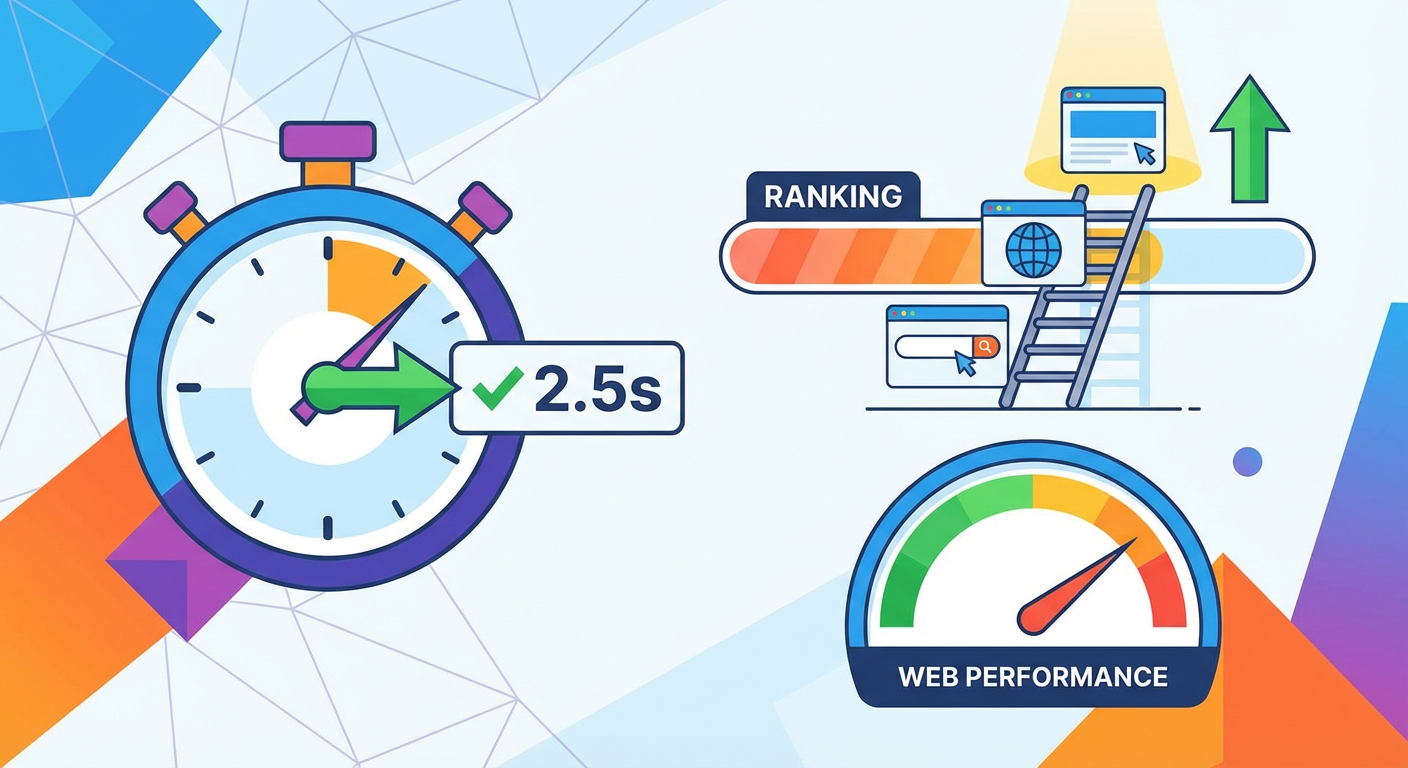
Here’s what’s actually different this time: LCP under 2.5 seconds is now the expected baseline for competitive ranking. Period. I’ve been tracking this stuff for years, and when you look at what the data actually shows, this isn’t just another optimization trend that’ll fade away.

Web performance and core web vitals in 2026: Forecasting

The Forecasting: Setting the Terms

Google confirmed CWV signals are part of their ranking algorithm since 2021. That’s not just another data point — it’s the foundation that makes everything else make sense. This isn’t some flash-in-the-pan trend. The conditions creating this shift have been building for years, and now they’re finally converging in ways that matter.

LCP under 2.5 seconds is now expected baseline for competitive ranking, and INP replaced FID as the responsiveness metric in March 2024. Look at both together and you’ll see the pattern that web.dev performance has been documenting: these conditions are sticking around longer than most people think, and they’ll affect way more than just page speed.

To understand why this matters, compare what was true three years ago to what’s true now. It’s not just that the numbers changed. The whole game changed. The players, the infrastructure, the incentives — everything shifted in ways that reinforce each other rather than cancel out. That compounding effect is what you should be watching.

What makes this moment worth paying attention to isn’t that it’s new. It’s that the underlying trends have finally reached a point where you can’t ignore them without deliberately looking away. Crossing that threshold is the real event here, not the gradual buildup that led to it.

And edge computing through Cloudflare Workers and Vercel reducing TTFB globally? That’s part of the same picture. These aren’t separate trends — they’re all pieces of the same structural shift.

The Future-Cast: The Analysis

Edge computing through Cloudflare Workers and Vercel reducing TTFB globally is where things get interesting. Sure, the surface-level story is accurate, but it misses how this actually works. And understanding the mechanism changes everything about how you respond.

Take image formats like AVIF cutting payload by 50 percent compared to JPEG. That didn’t just happen by accident — it’s the result of structural factors that have been building up over time. Previous analyses missed this because they focused on symptoms instead of causes. The structural explanation might be less exciting, but it’s way more useful for making decisions.

The comparison to previous cycles tells us a lot, especially where it breaks down. Similar-looking situations played out differently before because the foundation was different. JavaScript bundle bloat remains the top cause of poor CWV scores, and that represents a fundamental change — not just in current performance, but in how elastic the whole system is. Getting that distinction right is what separates real analysis from pattern-matching.

Let me address the skeptical take directly: previous moments that looked similar didn’t pan out the way people expected. That’s true. But this time we have JavaScript bundle bloat as the top cause of poor CWV scores, which isn’t a minor detail — it’s the infrastructure condition that previous cycles lacked. Infrastructure changes tend to stick around in ways that sentiment-driven changes don’t. PageSpeed Insights has been tracking this with the rigor it deserves.

There’s also a distribution question that doesn’t get enough attention in web performance coverage: who benefits from these shifts, and who pays the costs? The overall picture can look positive while the distribution is wildly uneven in ways that matter enormously to specific people. Keeping that lens in view is part of reading the situation clearly rather than just optimistically.

Implications: What This Means If You Care About AI in software development

The implications of web performance and core web vitals go way beyond just page speed. Google confirmed CWV signals are part of ranking algorithm since 2021, combined with the structural conditions I’ve described, creates ripple effects in adjacent fields and communities that aren’t always obvious from inside the main story. The second-order effects are often more important than the first-order ones, and that’s where careful attention pays off.

Here’s where my analysis differs from most coverage: INP replaced FID as responsiveness metric in March 2024 is a leading indicator, not a lagging one. The people who respond to what this signals, rather than what it confirms, are going to be less surprised by what comes next.

Your practical response depends heavily on where you sit relative to these dynamics. If you’re close to the core of web performance work, the implications are immediate and operational. If you’re further out, they’re strategic — about understanding which adjacent pressures are building and which assumed stabilities are more fragile than they appear.

The question isn’t whether to engage with these dynamics, but how. The answer depends on your context — what role you occupy relative to web performance work and what your actual decision timeline is. But the first step is the same regardless: accurate understanding of what’s actually happening rather than what the most convenient narrative says is happening.

A few concrete observations worth highlighting: First, LCP under 2.5 seconds as expected baseline for competitive ranking isn’t temporary — it’s the new normal. Second, image formats like AVIF cutting payload by 50 percent compared to JPEG suggests the adjustment period isn’t over. Third, and most important: the organizations and individuals treating this as a new steady state rather than a transition are making a categorization error that’ll be expensive to fix later.

The Case Against: What the Critics Get Right

Honestly, the counterarguments to the optimistic reading of web performance trends aren’t trivial. There are real vulnerabilities in the current picture that deserve direct engagement, not dismissal.

The most serious objection is about sustainability. INP replaced FID as responsiveness metric in March 2024 could be read not as a foundation but as a ceiling — a point where growth becomes self-limiting because of the very dynamics that created it. If we’ve already captured most of the early adopters, the remaining growth curve might be fundamentally shallower than the recent trajectory suggests.

Then there’s the regulatory dimension. Google confirmed CWV signals are part of ranking algorithm since 2021 describes conditions in a relatively permissive environment. Regulatory responses to the scale implied by these numbers aren’t inevitable, but they’re not impossible either. Organizations planning as though the current regulatory environment is permanent are making an assumption that the history of fast-growing sectors doesn’t support.

My response to these concerns isn’t that they’re wrong — it’s that they’re already partially reflected in the current state of the field. JavaScript bundle bloat remains the top cause of poor CWV scores in an environment where participants are already adapting to constraints rather than operating without limits. The ecosystem’s ability to adjust is higher than a purely top-down view of the risks suggests.

Looking Forward

The trajectory here is clearer than the timing. Making predictions about when specific thresholds will be crossed is genuinely difficult, and anyone claiming precision about timelines should be viewed with skepticism. But the direction — toward Google confirmed CWV signals continuing as part of ranking algorithm and further development of the conditions I’ve described — has solid evidence behind it that doesn’t depend on a single variable going right.

JavaScript bundle bloat remains the top cause of poor CWV scores is the variable I’m watching as the leading indicator. Historical patterns suggest it moves first, with broader metrics following with some lag. This doesn’t make the outcome certain, but it makes it readable — and readability is what you need for good decisions.

Three questions worth holding as this story develops: First, are the structural conditions that enabled the current state durable, or are they cyclical? Second, who’s positioned to benefit from the next phase, and does that differ materially from who benefited in the current phase? Third, what would clean evidence against the optimistic thesis look like, and is there any sign of that signal emerging? These questions don’t need answers today — but having asked them changes what you notice in the months ahead.

The direction here is clear even when the pace isn’t. Right now in web performance and core web vitals, the people who have built an accurate model of the underlying dynamics are better positioned than the people relying on the surface story. Building that model takes time, but it’s doable — and this analysis is meant as one input into it.

Screenshot this and check back in 18 months — we’ll see who was right.

The Real Picture on Developer tools and the IDE wars in 2026

The Real Picture on Developer tools and the IDE wars in 2026

The question worth asking about developer tools and the IDE wars in 2026 is not the one most coverage asks. The standard take is missing the more important signal underneath. The more useful question — the one that actually matters — is why the current situation exists at all.

What makes this different from previous cycles is that JetBrains IDEs still rule enterprise Java and Kotlin development. The methodical read of the situation is also the more accurate one once you look at what the evidence actually shows.

The Real Picture on Developer tools and the IDE wars in 2026

The Education: Setting the Terms

VS Code holds over 73 percent market share among web developers. This isn’t just another data point in the story of developer tools and the IDE wars in 2026. It’s the structural condition that makes everything else in this analysis make sense. Context like this doesn’t age quickly. The conditions that produced it have been building for years, and the convergence is what makes the current moment distinct from previous moments that looked similar from a distance.

JetBrains IDEs still dominate enterprise Java and Kotlin development. The Zed editor is gaining traction with performance-focused developers. When you look at both together, a pattern emerges that VS Code documentation has been covering from the inside: the conditions are more durable than they first appear, and the implications extend further than the immediate headline suggests.

To understand why this matters, look at what was true three years ago versus what is true now. The delta isn’t simply quantitative, it’s qualitative. The participants, the infrastructure, and the incentive structures have all shifted in ways that compound rather than cancel out. That compounding is the most important element to track.

What makes this moment worth examining carefully isn’t the novelty but the confirmation. The underlying dynamics have been visible for some time. What’s new is that they’ve reached a threshold where ignoring them requires active effort rather than simple inattention. That threshold crossing is the event, not the underlying movement that produced it.

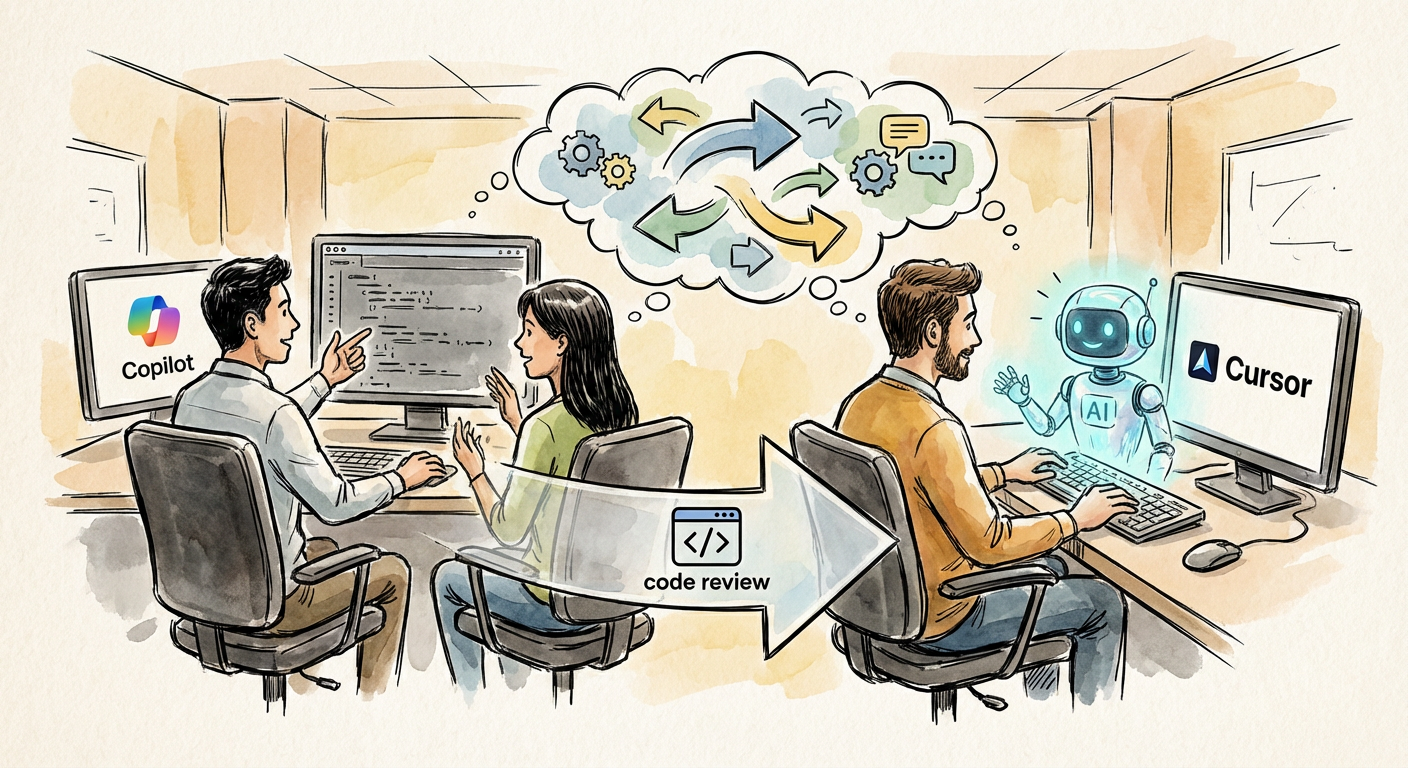
And AI pair programming in Cursor and Copilot changing code review culture is part of that same picture. These elements don’t exist in separate silos, they’re reinforcing conditions in the same structural shift.

The Deep Cut Explainer: The Analysis

AI pair programming in Cursor and Copilot changing code review culture is where the analysis gets more specific. The surface reading is accessible and not wrong, but it misses the mechanism. The mechanism is where the practical insight lives. What makes this different from previous cycles is terminal-first developers making a comeback with the Neovim plugin ecosystem exploding. Understanding this changes what you do with the information.

Consider what terminal-first developers returning to Neovim with an exploding plugin ecosystem represents in context. This isn’t a correlation that happened to appear, it’s a downstream consequence of structural factors that have been compounding. Previous readings of similar situations failed because they treated the symptom as the cause. The structural account is less satisfying as a headline but more useful as an analytical tool.

The comparison to prior cycles is instructive precisely because of where it breaks down. Similar conditions resolved differently in previous iterations because the substrate was different. What low-code platforms threatening the entry-level developer job market represents is a substrate change, the kind that alters the elasticity of the system rather than just its current value. Recognizing that distinction is what separates analysis from pattern-matching.

The skeptical counterargument deserves honest engagement: prior moments with similar surface characteristics didn’t produce the outcomes that seemed logical at the time. That history is real. What’s different now is low-code platforms threatening the entry-level developer job market, which isn’t a minor variable. It’s the infrastructure condition that previous cycles lacked. Infrastructure changes tend to stick around in ways that sentiment-driven changes don’t. JetBrains developer survey is one source tracking this dimension with the rigor it requires.

There’s also a distributional question that often goes unaddressed in coverage of developer tools and the IDE wars in 2026: who captures the value created by these shifts, and who absorbs the disruption costs? The aggregate picture can be positive while the distribution is uneven in ways that matter enormously to specific participants. Keeping that distributional lens in view is part of reading the situation clearly rather than simply optimistically.

Implications: What This Means If You Care About Internals of common tools

The implications of developer tools and the IDE wars in 2026 extend beyond the immediate context. VS Code’s 73 percent market share among web developers, combined with the structural conditions described above, creates a situation where adjacent fields, decisions, and communities get affected in ways that aren’t always visible from inside the primary story. The second-order effects are frequently more important than the first-order ones, and they’re where careful attention pays the highest returns.

The frame that matters here, and this is where the analysis departs from the mainstream coverage, is that the Zed editor gaining traction with performance-focused developers is a leading indicator rather than a lagging one. The people positioned to respond to what this signals, rather than to what it confirms, are the ones who will be less surprised by what follows.

The practical response depends heavily on your position relative to the dynamics at play. For those closest to the core of developer tools and the IDE wars in 2026, the implications are immediate and operational. For those at greater distance, the implications are strategic, a matter of understanding which adjacent pressures are building and which assumed stabilities are more fragile than they appear.

The practical question isn’t whether to engage with these dynamics but how. The answer depends on context, on what role you occupy relative to developer tools and the IDE wars in 2026 and what your actual decision horizon is. But the first step is the same regardless: accurate understanding of what’s actually happening rather than what the most available narrative says is happening.

A few concrete observations are worth separating out from the broader analysis. First: JetBrains IDEs still dominating enterprise Java and Kotlin development isn’t a temporary condition, it’s a new baseline. Second: terminal-first developers making a comeback with the Neovim plugin ecosystem exploding suggests that the adjustment period isn’t over. Third, and most important: the organizations and individuals who are treating the current moment as a new steady state rather than a transition are making a categorization error that will be costly to unwind later.

The Case Against: What the Critics Get Right

Intellectual honesty requires acknowledging the strongest counterarguments, not just the weakest ones. The case against the optimistic reading of developer tools and the IDE wars in 2026 isn’t trivial. There are structural vulnerabilities in the current picture that deserve direct engagement rather than dismissal.

The most serious objection is about sustainability. The Zed editor gaining traction with performance-focused developers can be read not as a foundation but as a ceiling, a point beyond which growth becomes self-limiting because of the very dynamics that produced it. If the current state has already incorporated most of the available supply of early-adopting participants, the remaining growth curve may be structurally shallower than the recent trajectory implies.

There’s also the policy and regulatory dimension. VS Code holding over 73 percent market share among web developers describes a condition in a relatively permissive environment. Regulatory responses to the scale implied by these numbers aren’t inevitable, but they’re not implausible either. The organizations that are planning as though the current regulatory environment is permanent are making an assumption that the history of fast-growing sectors doesn’t support.

The rebuttal to these concerns isn’t that they’re wrong, it’s that they’re already partially priced into the current state of the field. Low-code platforms threatening the entry-level developer job market reflects an environment where participants are already adapting to constraints rather than operating in an unconstrained space. The adjustment capacity of the ecosystem is higher than a purely top-down view of the risks suggests.

Looking Forward

The trajectory here is clearer than the pace. Making predictions about when specific thresholds will be crossed is hard, and anyone claiming precision about timelines should be treated with skepticism. But the direction, toward VS Code holding over 73 percent market share and continued development of the conditions described above, is supported by the evidence in a way that doesn’t depend on a single variable going right.

Low-code platforms threatening the entry-level developer job market is the variable to watch as the leading indicator. Historical patterns suggest it moves first, with broader metrics following with some lag. This doesn’t make the outcome certain, but it makes it readable, and readability is what you need for good decisions.

Three questions are worth holding as the story develops. First: are the structural conditions that enabled the current state durable, or are they cyclical? Second: who is positioned to benefit from the next phase, and does that differ materially from who benefited in the current phase? Third: what would a clean falsification of the optimistic thesis look like, and is there any evidence of that signal emerging? These questions don’t need answers today, but having asked them changes what you notice in the months ahead.

The direction here is clear even when the pace isn’t. The current moment in developer tools and the IDE wars in 2026 is one where the people who have built an accurate model of the underlying dynamics are better positioned than the people who are relying on the surface story. Building that model isn’t a quick task, but it’s a doable one, and this analysis is intended as one input into it.

What would you add or correct? The comments are for exactly this.

What First-principles education Reveals About Web performance and core web vitals in 2026

What First-principles education Reveals About Web performance and core web vitals in 2026

The question worth asking about web performance and core web vitals in 2026 is not the one most coverage asks. The standard take misses the more important signal underneath. The more useful question — the one with real analytical leverage — is why the current situation exists at all.

What makes this genuinely different from previous cycles is that LCP under 2.5 seconds is now the expected baseline for competitive ranking. The methodical read of the situation is also the more accurate one once you examine what the evidence actually shows.

What First-principles education Reveals About Web performance and core web vitals in 2026

The Education: Setting the Terms

Google confirmed CWV signals are part of the ranking algorithm since 2021. This isn’t just a data point in the story of web performance and core web vitals in 2026, it’s the structural condition that makes everything else in this analysis make sense. Context like this doesn’t age quickly. The conditions that produced it have been building for years, and the convergence makes the current moment distinct from previous moments that looked similar from a distance.

LCP under 2.5 seconds is now expected baseline for competitive ranking, and INP replaced FID as responsiveness metric in March 2024. When you look at both together, a pattern emerges that web.dev performance has been covering from the inside: the conditions are more durable than they first appear, and the implications extend further than the immediate headline suggests.

To understand why this matters, it helps to look at what was true three years ago versus what is true now. The difference isn’t simply quantitative, it’s qualitative. The participants, the infrastructure, and the incentive structures have all shifted in ways that compound rather than cancel out. That compounding is the most important element to track.

What makes this moment worth examining carefully isn’t the novelty but the confirmation. The underlying dynamics have been visible for some time. What’s new is that they’ve reached a threshold where ignoring them requires active effort rather than simple inattention. That threshold crossing is the event, not the underlying movement that produced it.

And edge computing via Cloudflare Workers and Vercel reducing TTFB globally is part of that same picture. These elements don’t exist in separate silos — they’re reinforcing conditions in the same structural shift.

Illustration for What First-principles education Reveals About Web performance and core web vitals in 2026

The Deep Cut Explainer: The Analysis

Edge computing via Cloudflare Workers and Vercel reducing TTFB globally is where the analysis gets more specific. The surface reading is accessible and not wrong, but it misses the mechanism. And the mechanism is where the practical insight lives. What makes this genuinely different from previous cycles is image formats like AVIF cutting payload by 50 percent vs JPEG, and understanding it changes what you do with the information.

Consider what image formats like AVIF cutting payload by 50 percent vs JPEG represents in context. It’s not a correlation that happened to appear — it’s a downstream consequence of structural factors that have been compounding. Previous readings of similar situations failed because they treated the symptom as the cause. The structural account is less satisfying as a headline but more useful as an analytical tool.

The comparison to prior cycles is instructive precisely because of where it breaks down. Similar conditions resolved differently in previous iterations because the substrate was different. JavaScript bundle bloat remains the top cause of poor CWV scores represents a substrate change — the kind that alters how the system responds rather than just its current value. Recognizing that distinction is what separates analysis from pattern-matching.

The skeptical counterargument deserves honest engagement: prior moments with similar surface characteristics didn’t produce the outcomes that seemed logical at the time. That history is real. What’s different now is JavaScript bundle bloat remains the top cause of poor CWV scores, which isn’t a minor variable — it’s the infrastructure condition that previous cycles lacked. Infrastructure changes tend to be persistent in ways that sentiment-driven changes are not. PageSpeed Insights is one source tracking this dimension with the rigor it requires.

There’s also a distributional question that often goes unaddressed in coverage of web performance and core web vitals in 2026: who captures the value created by these shifts, and who absorbs the disruption costs? The aggregate picture can be positive while the distribution is uneven in ways that matter enormously to specific participants. Keeping that distributional lens in view is part of reading the situation clearly rather than simply optimistically.

Implications: What This Means If You Care About Internals of common tools

The implications of web performance and core web vitals in 2026 extend beyond the immediate context. Google confirmed CWV signals are part of ranking algorithm since 2021 combined with the structural conditions described above creates a situation where adjacent fields, decisions, and communities are affected in ways that aren’t always visible from inside the primary story. The second-order effects are frequently more important than the first-order ones, and they’re where careful attention pays the highest returns.

The frame that matters here — and this is where the analysis departs from the mainstream coverage — is that INP replaced FID as responsiveness metric in March 2024 is a leading indicator rather than a lagging one. The people positioned to respond to what this signals, rather than to what it confirms, are the ones who will be less surprised by what follows.

The practical response depends heavily on your position relative to the dynamics at play. For those closest to the core of web performance and core web vitals in 2026, the implications are immediate and operational. For those at greater distance, the implications are strategic — a matter of understanding which adjacent pressures are building and which assumed stabilities are more fragile than they appear.

The practical question isn’t whether to engage with these dynamics but how. The answer depends on context — on what role you occupy relative to web performance and core web vitals in 2026 and what your actual decision horizon is. But the first step is the same regardless: accurate understanding of what’s actually happening rather than what the most available narrative says is happening.

A few concrete observations are worth separating out from the broader analysis. First: LCP under 2.5 seconds now expected baseline for competitive ranking isn’t a temporary condition — it’s a new baseline. Second: image formats like AVIF cutting payload by 50 percent vs JPEG suggests that the adjustment period isn’t over. Third, and most important: the organizations and individuals who are treating the current moment as a new steady state rather than a transition are making a categorization error that will be costly to unwind later.

The Case Against: What the Critics Get Right

Intellectual honesty requires acknowledging the strongest counterarguments, not just the weakest ones. The case against the optimistic reading of web performance and core web vitals in 2026 isn’t trivial. There are structural vulnerabilities in the current picture that deserve direct engagement rather than dismissal.

The most serious objection is the one about sustainability. INP replaced FID as responsiveness metric in March 2024 can be read not as a foundation but as a ceiling — a point beyond which growth becomes self-limiting because of the very dynamics that produced it. If the current state has already incorporated most of the available supply of early-adopting participants, the remaining growth curve may be structurally shallower than the recent trajectory implies.

There’s also the policy and regulatory dimension. Google confirmed CWV signals are part of ranking algorithm since 2021 describes a condition in a relatively permissive environment. Regulatory responses to the scale implied by these numbers aren’t inevitable, but they aren’t implausible either. The organizations that are planning as though the current regulatory environment is permanent are making an assumption that the history of fast-growing sectors doesn’t support.

The rebuttal to these concerns isn’t that they’re wrong — it’s that they’re already partially priced into the current state of the field. JavaScript bundle bloat remains the top cause of poor CWV scores reflects an environment where participants are already adapting to constraints rather than operating in an unconstrained space. The adjustment capacity of the ecosystem is higher than a purely top-down view of the risks suggests.

Looking Forward

The trajectory here is clearer than the pace. Making predictions about when specific thresholds will be crossed is genuinely difficult, and anyone claiming precision about timelines should be treated with skepticism. But the direction — toward Google confirmed CWV signals are part of ranking algorithm and continued development of the conditions described above — is supported by the evidence in a way that isn’t contingent on a single variable going right.

JavaScript bundle bloat remains the top cause of poor CWV scores is the variable to watch as the leading indicator. Historical patterns suggest it moves first, with broader metrics following with some lag. This doesn’t make the outcome certain, but it makes it readable — and readability is the precondition for good decisions.

Three questions are worth holding as the story develops. First: are the structural conditions that enabled the current state durable, or

Hotpenguin — Where Technology Meets Perspective

Hotpenguin — Where Technology Meets Perspective

Hotpenguin — Where Technology Meets Perspective

Deep dives into software, hardware, and the ideas that change how we build things.

We write about the technical side of technology. Not just product launches and press releases, but the architecture decisions, the tradeoffs, and the engineering culture that actually determines what gets built. The messy reality behind the polished demos.

Topics we cover: Software · Hardware · Developer Tools · AI & Machine Learning · Open Source · Security

Unlocking the Potential: Artificial Intelligence in Creative Arts

Unlocking the Potential: Artificial Intelligence in Creative Arts

Welcome back, fellow tech enthusiasts! If you’re anything like me, you’re probably buzzing with anticipation about how Artificial Intelligence keeps changing and its ripple effects across different industries. Today, I’m diving into the fascinating intersection of AI and the creative arts – a conversation that blends our wildest tech dreams with real machine learning breakthroughs happening right now.

Setting the Stage: AI Meets the Creative Frontier

For years, creativity has been largely considered a uniquely human thing, a domain where artistry, emotion, and intellect come together to produce masterpieces in writing, art, and music. But as artificial intelligence keeps advancing, the line between human and machine creativity is getting blurry, and it’s creating an entirely new world for the arts.

When we talk about AI in creative arts, we’re talking about using algorithms and machine learning to help or even drive the creative process. Picture an AI that can generate a symphony, write poetry, create sophisticated artworks, or even write a full novel. As sci-fi as it might sound, these applications are happening right now.

The Advent of Creative AI Systems

Over the past few years, we’ve seen explosive growth in machine learning algorithms that can handle increasingly complex tasks. Among the most impressive systems is OpenAI’s GPT (Generative Pre-trained Transformer) series, which has completely changed how we generate text, engaging in complex conversations and writing articles that mimic human writing styles with surprising accuracy.

Algorithms and Artistry

The ability of AIs like GPT-3 and its successors to produce creative content isn’t just copying human work. It represents a genuine, if early, meeting point between machine learning and artistry. When asked to write a poem or generate narrative fiction, these models use massive amounts of preprocessed data to structure language like humans do, bringing technology closer to truly understanding and replicating human creativity.

DeepArt and other generative adversarial networks (GANs) have made similar leaps in visual arts. These AI platforms can take inspiration from famous art styles – say, Van Gogh’s bold strokes or Mondrian’s clean lines – and apply them to new creations, often with mesmerizing results. Artists and creatives are now using these tools to explore uncharted creative territories, pushing the boundaries of their craft and sometimes collaborating with AI like they would with human partners.

Embracing a Collaborative Future

Redefining Artistry

With the rise of AI-generated art, what we mean by “artist” is shifting. Is an artwork created by an algorithm less valuable or less authentic than one created by a human? While purists might argue against AI’s place in traditionally human-only art spaces, many contemporary creatives see it as an opportunity for collaboration rather than competition.

AI tools have become sources of inspiration, offering artists a co-creator that can spark new ideas and challenge conventional thinking. They let creators prototype faster, iterate easily, and step beyond their artistic comfort zones without ever lifting a brush or setting pen to paper.

Democratizing Creativity

Beyond reshaping creation, AI is democratizing access to the arts. Think about it: a writer with limited resources can now use AI to help draft plots or brainstorm fresh ideas. Budding musicians can collaborate with AI to arrange compositions. This technology opens doors for people who may have previously lacked the means to break into the arts scene.

Enhancing Education in the Arts

AI is also revolutionizing education in creative fields. Interactive learning experiences powered by AI can personalize curriculums for students, simulate immersive art history lessons, or provide real-time feedback to aspiring painters and poets. Hyper-personalized learning paths and AI-driven tutoring might soon become mainstream, making education more accessible and tailored than ever before.

Navigating Ethical and Philosophical Implications

The AI Authorship Debate

One of the biggest ethical questions surrounding AI and creative arts revolves around authorship. If an AI produces a piece of art or a literary masterpiece, who owns the copyright? Does credit belong to the programmer, the person who trained the AI, or the AI itself, should it one day achieve sentience? Current legal systems haven’t fully caught up with these complex issues, leading to ongoing debate and policy development.

AI’s Influence on Cultural Norms

There’s also the question of how AI’s participation in the arts might shape cultural narratives. As algorithms learn from existing datasets, they carry the potential biases of their programmers and the limitations of their training inputs, raising concerns about their influence on cultural expression. Will AI accidentally homogenize culture, or can it help amplify diverse voices and perspectives traditionally marginalized in the arts?

Conclusion: Envisioning a Techno-Utopian Future

The convergence of AI and creative arts is as exciting as it is transformative. With AI systems working as collaborators rather than mere tools, we’re glimpsing the potential for an entirely new artistic renaissance – a future where technology amplifies human creativity rather than diminishing it.

Importantly, this tech-utopian vision requires careful guidance. While AI offers incredible potential, it needs thoughtful dialogue about the ethical, cultural, and artistic consequences of its rise. Let’s continue to celebrate the innovation, explore new possibilities, and keep creativity at the heart of this remarkable revolution.

Thanks for joining me on this exploration of the AI-driven creative frontier. As always, I’d love to hear your thoughts on these developments – are you excited about a future where AI plays muse to the world’s artists, or do you see challenges on the horizon? Drop a comment below or engage with me on social media. Until next time, keep dreaming big and coding even bigger!

Tech Utopian Breakthrough: The Impact of AI on Creative Arts

Tech Utopian Breakthrough: The Impact of AI on Creative Arts

Introduction

Nothing captures our collective attention quite like artificial intelligence these days. I’ve been watching AI make waves across different industries, but there’s something particularly fascinating about what’s happening in the creative arts. We’re seeing algorithms that can paint, compose music, write novels, and even design buildings. AI isn’t just another tool anymore, it’s becoming a creative partner. Let me walk you through how AI is changing artistic expression, the tricky ethical questions that come with machine creativity, and what this all means for artists at every stage of their careers.

The Intersection of Art and AI: It’s a Brave New World

AI as an Artist: Algorithms that Create

When I think of artists, I picture humans with that special spark for innovation and expression. But honestly? Those lines are getting blurry fast. AI programs like DeepArt, DALL-E, and RunwayML aren’t just copying human creativity anymore—they’re actually inspiring it. These programs can analyze massive art databases and generate original works that genuinely move people.

Remember the AI-created painting “Portrait of Edmond de Belamy”? It sold at Christie’s for $432,500. That sale sparked intense debates about originality, ownership, and what makes art valuable. People are still arguing about it, and rightfully so.

Enhancing Human Creativity: A Partner, Not a Replacement

Here’s what I find reassuring: despite all the doom-and-gloom predictions about AI replacing humans, in the arts it’s more like a creative booster. Artists are grabbing these AI tools and using them as extensions of their minds. Software becomes their new pencil, algorithms their canvas. Grimes has been experimenting with AI to create sounds that push her experimental music even further. Multimedia artist Refik Anadol takes datasets and transforms them into these mind-blowing visual experiences that completely redefine what art can be.

Ethical and Philosophical Considerations: Who Owns AI-Generated Art?

The Question of Authenticity

As AI art goes mainstream, we’re hitting some really tough questions about authenticity. Who’s the real artist here? The programmer who wrote the code? The algorithm itself? The machine running it? I find this fascinating because while programmers create the framework, the actual output often surprises everyone involved. It makes you wonder: is art about the intention behind it, or is it about the final result, regardless of who (or what) created it?

Intellectual Property: The New Frontier

The legal side of this is a complete mess right now. Courts around the world are scrambling to figure out copyright for AI-created work. Say an AI writes a song that goes viral—who gets paid? The person who built the AI? The person who used the program? The AI itself? It sounds almost absurd, but these questions need answers fast. We’re heading toward a world where human-AI collaborations might be the standard, not the exception.

How AI is Democratizing Art Creation

Lowering Barriers to Entry

One thing I love about AI art tools is how they’re opening doors for people who never considered themselves artists. You can download apps that use AI to transform photos, mimic famous painting styles, or help you compose music. Suddenly, anyone with a smartphone can create something beautiful. It’s completely changing who gets to call themselves an artist.

Driving Diversity and Inclusion in the Arts

AI’s ability to process enormous amounts of data is creating opportunities for more diverse artistic expression. When creators feed global art styles and cultural themes into AI systems, the output can cross cultural boundaries in ways we’ve never seen before. This could help bring more voices into an art world that’s historically been pretty exclusive.

Economic Impacts: Redefining Art Market Dynamics

New Revenue Streams: Licensing AI Creations

AI is creating entirely new ways for people to make money from art. Companies are licensing AI-generated content for advertising and marketing. It’s opening up profitable opportunities for both artists and the tech companies building these tools.

Investment in AI-Created Art

Tech-savvy investors are starting to pay serious attention to AI art. When you see AI artworks selling for hundreds of thousands at auction, it’s clear this isn’t just a novelty anymore. There’s real money flowing into this space, and it’s creating new markets that didn’t exist even five years ago.

What the Future Holds: Collaborative Evolution

Towards a Hybrid Artistic Process

I think the future of art is all about collaboration between humans and AI. Instead of replacing traditional methods, AI is expanding what’s possible. The romantic idea of the lone artist working in isolation might give way to dynamic partnerships between human creativity and machine capabilities. Artists are already discovering creative territories they couldn’t reach alone.

Challenges and Opportunities

Like any major technological shift, bringing AI into art comes with real risks alongside the exciting possibilities. There’s a legitimate concern about cultural homogenization, where AI might start prioritizing certain styles over authentic diversity. But there’s also incredible potential for innovation and new forms of expression. The key is making sure artists and technologists guide these technologies thoughtfully, keeping diversity, creativity, and authenticity at the center.

Conclusion

AI’s impact on artistic expression feels like we’re entering uncharted territory. These technologies have moved beyond simple tools to become active creative participants. The conversation between human and machine capabilities isn’t threatening creativity, it’s expanding what creativity can be. As AI continues developing, our definition of art evolves with it. We’re getting a glimpse of a world where anyone with imagination and access to technology can become an artist. But as we navigate this new landscape, we need to tackle the intellectual property puzzles, inclusion challenges, and ethical questions head-on. The goal is keeping technology as our creative ally, not letting it become a disruptive force that undermines what makes art meaningful.