The Prediction That’s Already Becoming Reality
Gartner dropped a forecast in 2025 that should have set off alarm bells in every engineering organization: 80 percent of large software companies will have established platform engineering teams by 2026. That’s a jump from roughly 45 percent in 2023. That’s the kind of adoption curve you see when something stops being optional and starts being table stakes. The predictions are already showing up in hiring, compensation, and organizational restructuring across the industry.
What’s remarkable isn’t that platform engineering is growing. It’s that most teams are treating this as a tooling problem when the real issue is organizational. You can buy the best Kubernetes distribution and deploy Backstage before breakfast, but if you haven’t sorted out who owns what and why, you’re building a faster way to fail.
The Numbers Don’t Lie, But They Do Mislead
The DORA 2025 State of DevOps Report published findings that sound like fiction if you’re still running the old DevOps playbook. Teams with mature internal developer platforms are deploying 2.4 times more frequently and experiencing 60 percent fewer change failures compared to organizations without centralized platform tooling. Those aren’t marginal improvements. Those are the kind of metrics that make CFOs pay attention and engineering leaders start asking uncomfortable questions about why their teams aren’t operating at that level.
But here’s where things get complicated. Those numbers describe organizations that have already crossed the chasm. They’ve built their platforms and aligned their teams around them. The real story isn’t in the deployment frequency metric. It’s in what had to happen organizationally to make those numbers possible. And that’s where most teams are stumbling.
The Adoption Problem Disguised as a Tooling Problem
Backstage, the open-source developer portal originally built at Spotify, has become the default standard for internal developer platform infrastructure. Over 3,200 organizations have adopted the CNCF Backstage project. That’s a staggering number for an open-source project. It signals real market demand and architectural validation. But adopting a tool is not the same as a successful platform engineering transformation. Not even close.
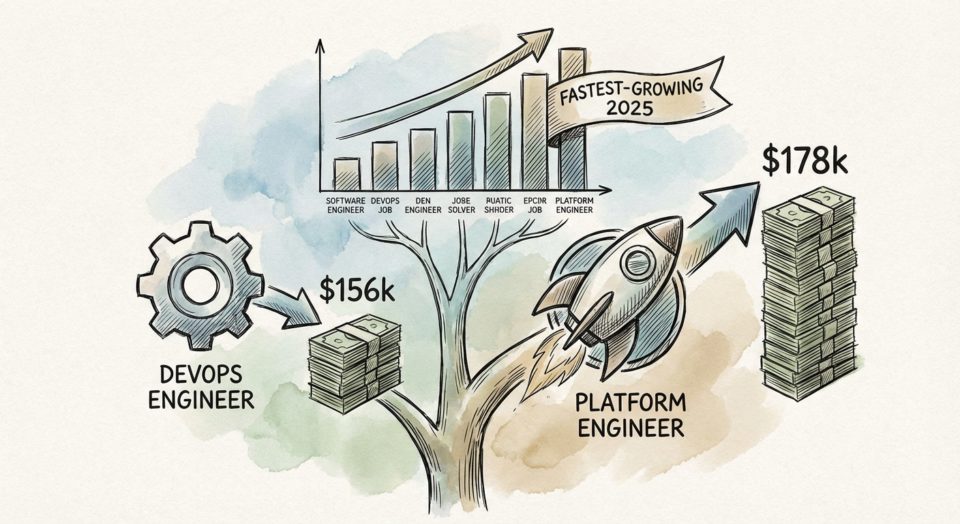
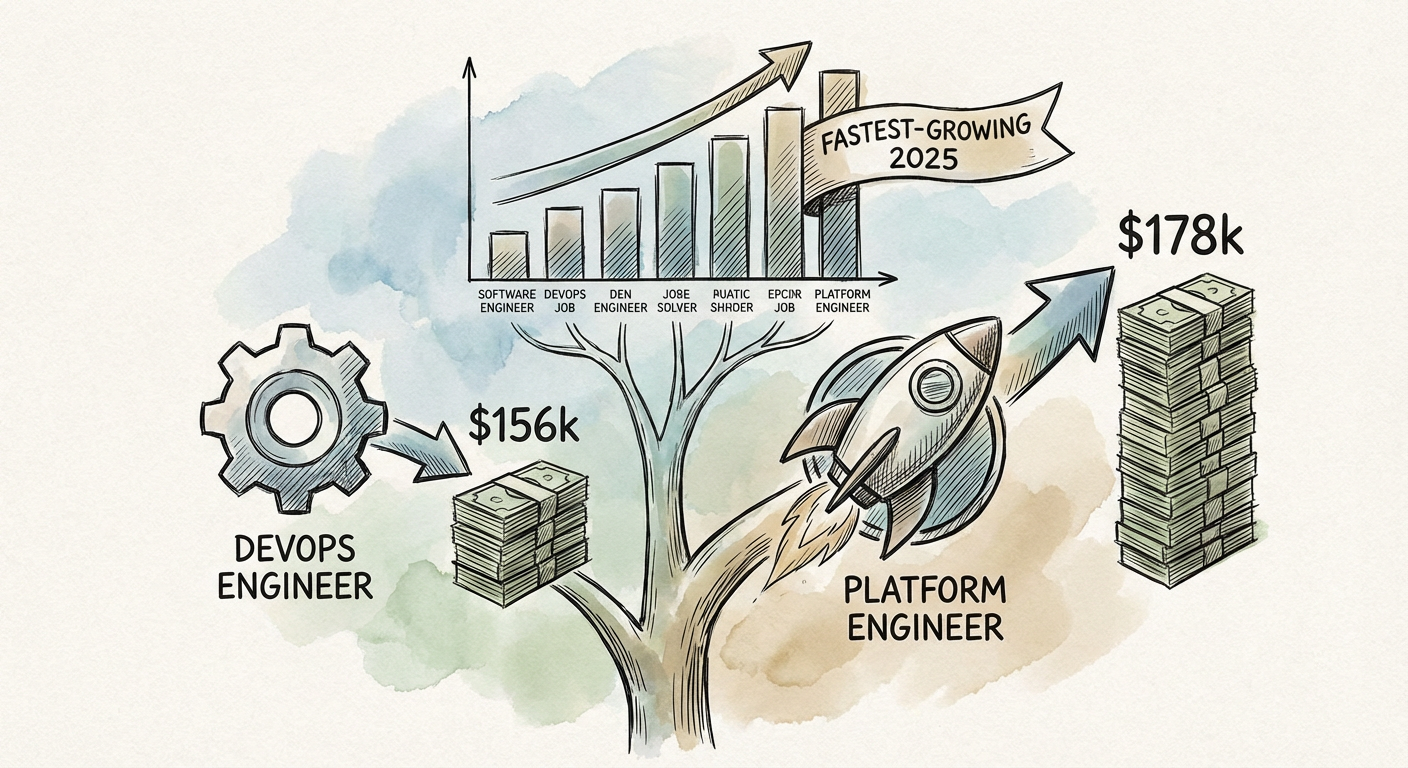
The job market is sending the same message in a different register. Platform engineer has cracked the top five fastest-growing job titles, with median compensation in North America hitting $178,000. That’s 14 percent higher than traditional DevOps engineer salaries. Companies are desperately hiring for these roles because they know what the data says about outcomes. The problem is that money can’t buy organizational alignment, and no number of senior platform engineers will fix a structure where nobody agrees on what the platform is supposed to do.
Why 67 Percent of Transformations Fail Before They Start
Puppet’s 2025 State of DevOps Report delivered the kind of finding that should prompt serious reflection in any organization attempting a platform engineering shift. Sixty-seven percent of companies cited internal team resistance and unclear ownership boundaries as their primary failure mode. Not Kubernetes. Not observability tooling. Not even the usual suspects of technical debt and legacy systems. It was people and structure.
This is where skepticism is warranted. We have decades of evidence that you can’t reorganize your way out of bad communication, and you can’t automate your way around unclear incentives. Platform engineering teams exist to serve developers, but if developers don’t understand what the platform does or how to use it, and if traditional DevOps and SRE teams view platform engineering as a threat to their turf, you’ve built the infrastructure for conflict, not velocity. The platform becomes a bottleneck wrapped in good intentions.
The organizations actually seeing those 2.4x deployment frequency gains have done something harder than picking infrastructure. They’ve made explicit decisions about who owns reliability, who controls deployment, who’s responsible for developer experience, and how those teams interact without friction. They’ve probably reorganized. They’ve definitely had uncomfortable conversations about what stays and what goes. They’ve made trade-offs between centralization and autonomy and documented those trade-offs so people understand the reasoning.
What This Means for Your Next Board Meeting
If you’re responsible for engineering outcomes in an organization with more than a few hundred developers, you’re facing a decision point whether you’ve framed it that way or not. The trajectory is clear. Platform engineering is becoming the dominant operating model, and lagging adoption will eventually create competitive disadvantage. But moving fast on platform engineering without addressing organizational structure is how you end up with an expensive tool that nobody wants to use.
Start with clarity on ownership. Build a small platform team with an explicit charter and clear interfaces to the teams they serve. Treat internal developer experience as a first-class metric alongside deployment frequency and change failure rate. If you’re looking at adopting tooling like Backstage, great. But sequence that after you’ve sorted out what problems you’re actually solving and who’s accountable for solving them. The technical part is almost always easier than the organizational part.
What’s your organization’s current state? Are you planning a platform engineering transformation, or are you already mid-transition and wondering why adoption isn’t tracking to plan? The pattern is becoming predictable enough that we should be able to learn from each other’s mistakes before making our own.